


Some filters could not be applied and were reset.
-
 2.0 HP, 20 Gal, Continuous Run, Steel Tank, Ultra Quiet Oil-Free Air Compressor - California Air | CAT-20020CR $1,525.00 Add to cart
-
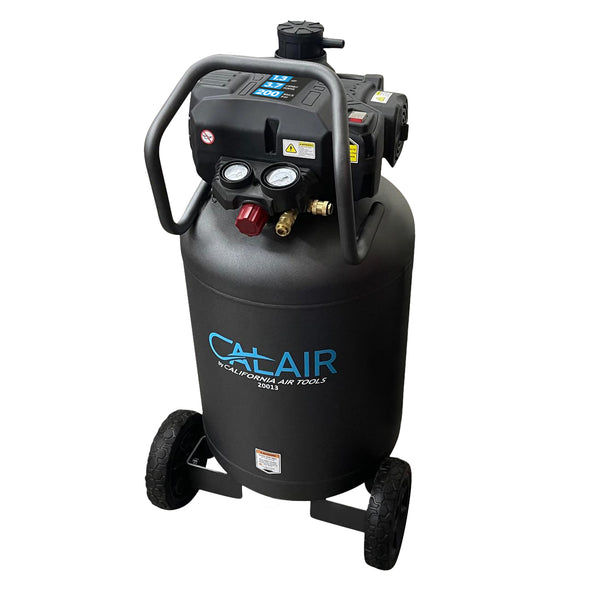 1.3 HP, 20 Gal, 200 PSI, High Pressure, Oil-Free Air Compressor - California Air | CAT-20013 $440.00
-
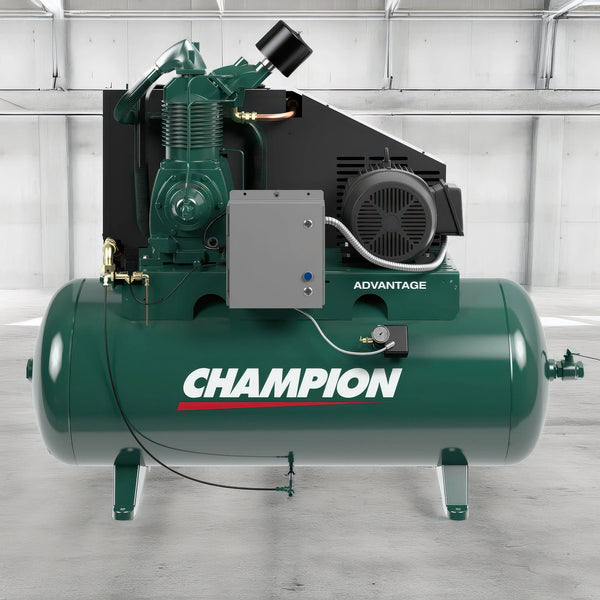 Sale Champion Advantage Series Duplex Two-Stage Piston Air Compressor $9,373.00
Regular price $19,962.00Add to cart -
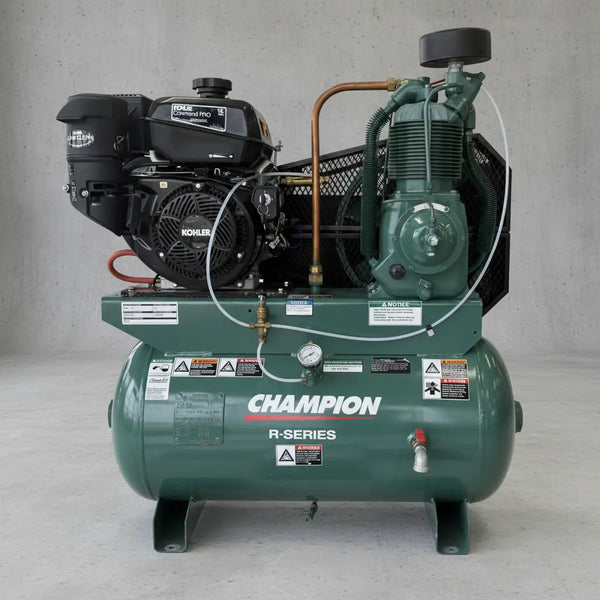 Sale Champion R-Series Engine-Driven Piston Air Compressor $4,101.00
Regular price $7,770.00Add to cart -
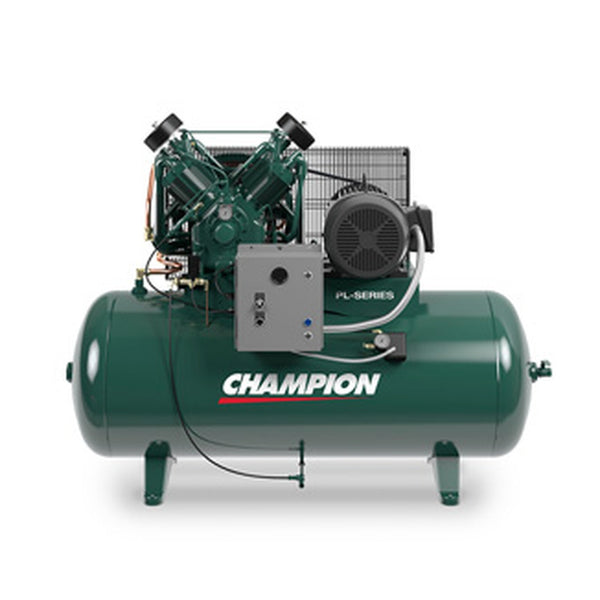 Sale Champion PL-Series Pressure-Lubricated Simplex Piston Air Compressor $4,517.00
Regular price $9,620.00Add to cart -
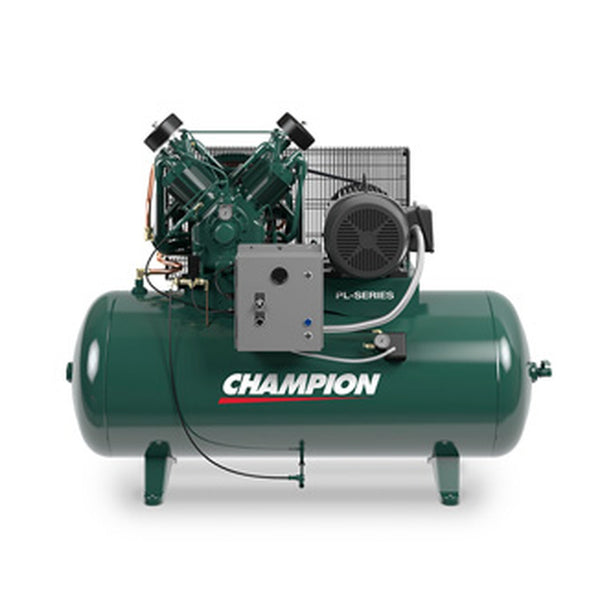 Sale Champion PL-Series Pressure-Lubricated Duplex Piston Air Compressor $10,738.00
Regular price $22,870.00Add to cart

Two numbers decide this
CFM at the pressure you actually hold, and hours per day. A two stage 5 HP piston compressor lands around 17 CFM at 175 PSI and wants a duty cycle in the 50 to 70 percent range. A 25 HP rotary screw sits near 100 CFM at 125 PSI and will run every minute of the shift without complaint. Horsepower is not the dividing line between them. Run hours are.
So here is where we will push back on you. If the compressor runs more than about half of every shift, stop shopping piston and start shopping rotary screw. Piston pumps over 10 HP running continuously get hot, push oil into the lines, and eventually come apart. We would rather say that now than warranty a pump you ran into the ground. It works the other way too: a rotary screw in a shop that uses air twenty minutes an hour is money you did not need to spend, and the short run cycles are hard on it.
Sizing off a tool chart is the other common miss. Published tool CFM assumes roughly 25 percent duty. Sanders and die grinders do not work that way. They run continuously and will pull a 5 HP machine down by themselves. Add up what truly runs at the same time, add 15 to 20 percent for leaks and growth, and put a receiver tank behind it at roughly 4 gallons per CFM. Single phase realistically stops around 7.5 to 10 HP, so check what service you have before you shop above that.
Shop by CFM
Already know the airflow you need? Go straight to the compressors rated for it: 5 CFM, 10 CFM, 15 CFM, 20 CFM, 25 CFM, 30 CFM, 35 CFM, 40 CFM, 45 CFM, 50 CFM, 60 CFM, 70 CFM, 80 CFM, 90 CFM, 100 CFM, 125 CFM, 150 CFM, 185 CFM, 200 CFM, 250 CFM, 375 CFM, or see the full shop by CFM guide with a tool air consumption table.
Shop by PSI
Shopping by pressure rating instead? Every compressor is also listed by its maximum working pressure: 100 PSI, 125 PSI, 135 PSI, 150 PSI, 175 PSI and 200 PSI, with notes on what each pressure class is for in the shop by PSI guide.
Shop by horsepower
If you are replacing a compressor and know its motor size, browse by horsepower: 2 HP, 3 HP, 5 HP, 7.5 HP, 10 HP, 15 HP, 20 HP, 25 HP, 30 HP, 40 HP, 50 HP and 60 HP, or use the range pages for under 5 HP, 5 to 15 HP piston, 15 to 30 HP, 20 to 50 HP rotary screw and 50 HP and up rotary screw. The shop by horsepower guide explains CFM per horsepower, single versus three phase by size, and where piston stops and rotary screw starts.


