


Some filters could not be applied and were reset.
-
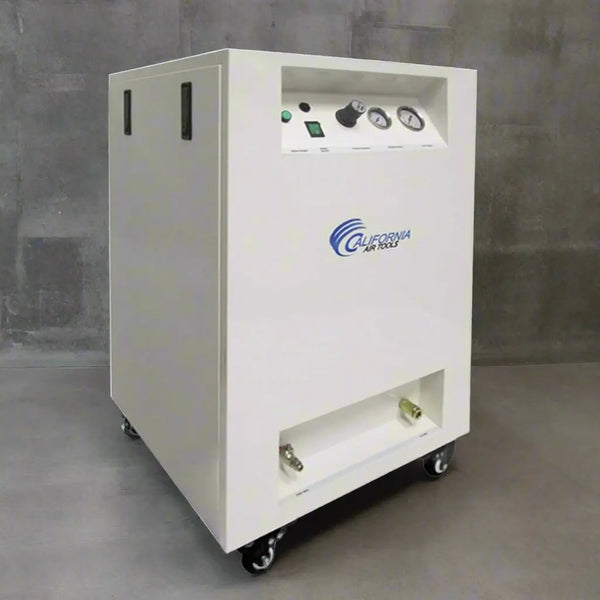 Sale 1.0 HP, 8.0 Gal, Sound Proof Cabinet, Ultra Quiet Oil-Free Air Compressor - California Air | CAT-8010SPC $1,152.00
Regular price $1,680.00 -
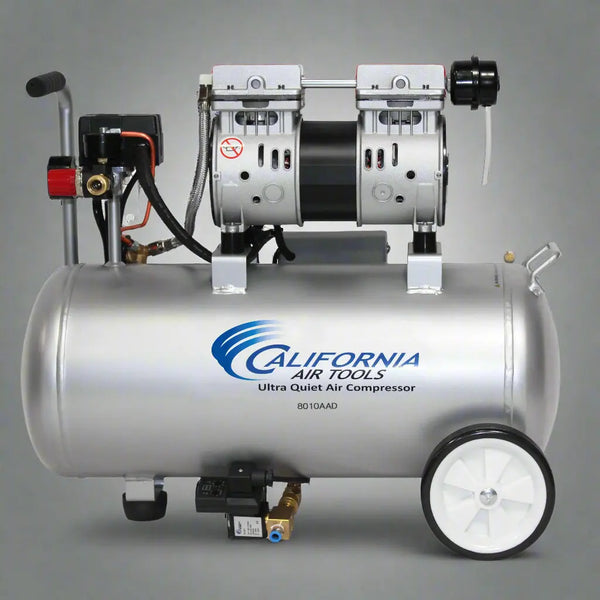 Sale 1.0 HP, 8.0 Gal, Aluminum Tank, Auto Drain, Ultra Quiet Oil-Free Air Compressor - California Air | CAT-8010AAD $385.00
Regular price $481.00 -
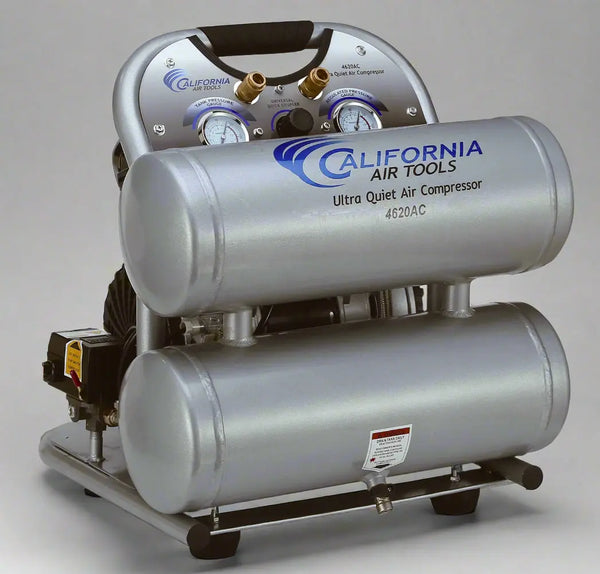 Sale 2.0 HP, 4.6 Gal, Aluminum Tank, Ultra Quiet Oil-Free Air Compressor - California Air | CAT-4620AC $405.00
Regular price $469.00 -
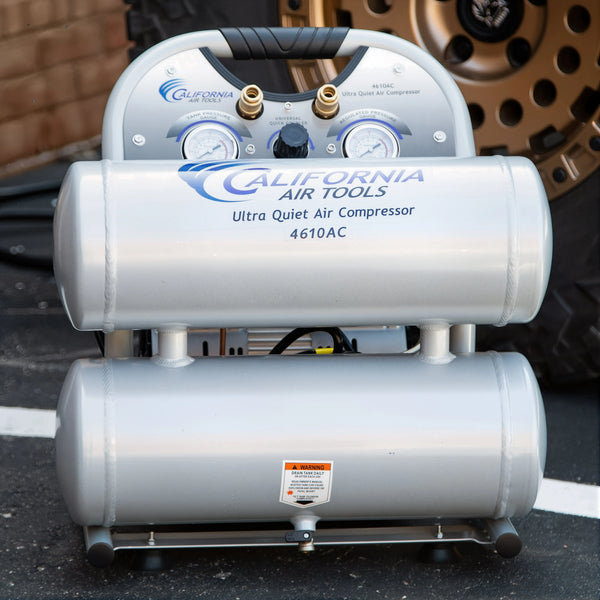 Sale 1.0 HP, 4.6 Gal, Aluminum Tank, Ultra Quiet Oil-Free Air Compressor - California Air | CAT-4610AC $290.00
Regular price $363.00 -
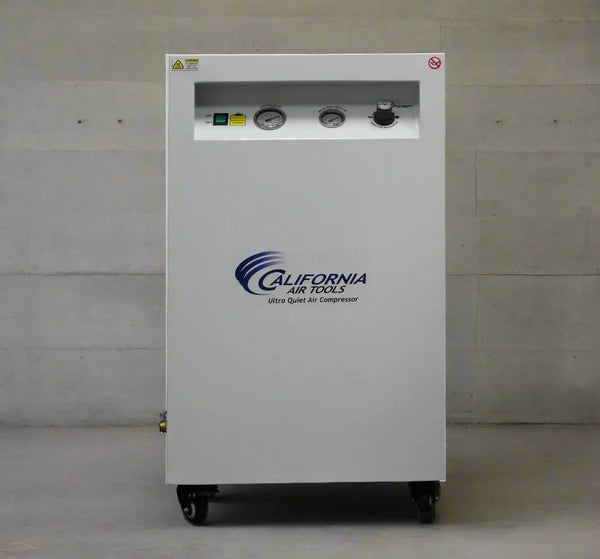 Sale 4.0 HP, 20.0 Gal, Sound Proof Cabinet, Auto Drain, Ultra Quiet Oil-Free Air Compressor - California Air | CAT-20040SPCAD $2,503.00
Regular price $3,129.00 -
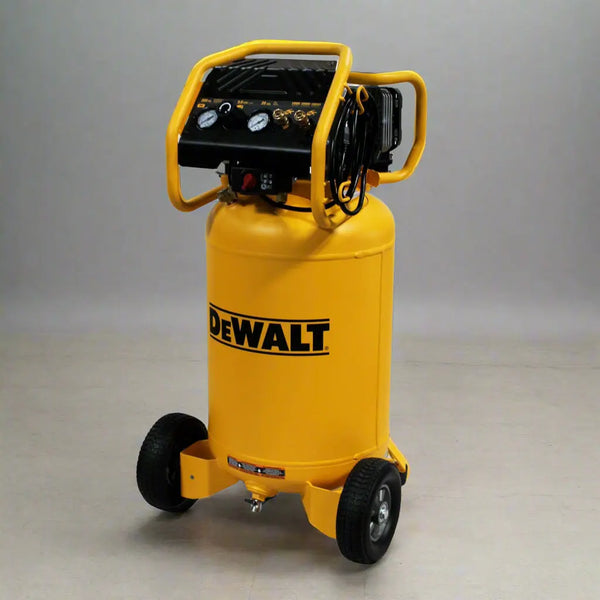 Sale Dewalt 20 Gal XTREME Quiet 2 Stage 20 Gal Oil Free Air Compressor $519.00
Regular price $625.00 -
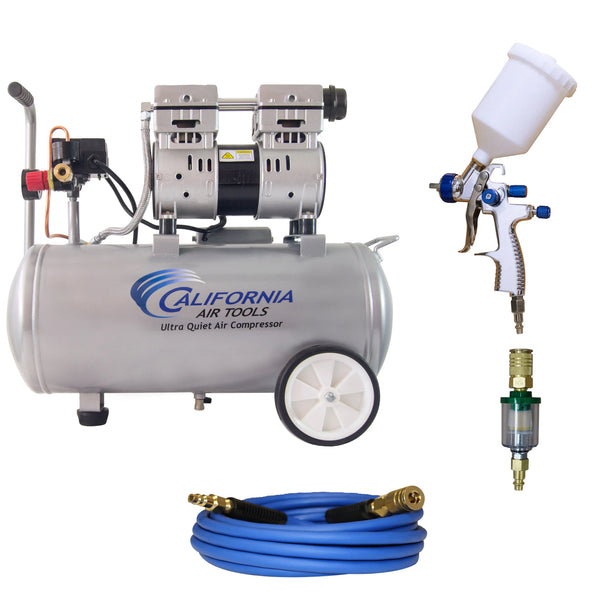 Sale 1.0 HP, 8.0 Gal, Air Compressor + LVLP Spray Painting Kit (6-Piece Bundle) - California Air | CAT-8010PK $270.00
Regular price $324.00 -
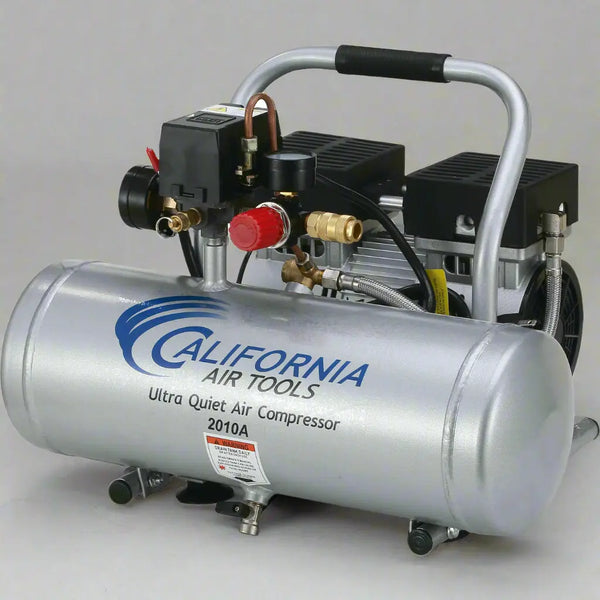 Sale 1.0 HP, 2.0 Gal, Aluminum Tank, Ultra Quiet Oil-Free Air Compressor - California Air | CAT-2010A $220.00
Regular price $275.00 -
 Sale 3.7 HP, 60 Gal, Belt Drive, Oil-Lubricated Air Compressor - California Air | CAIR-60037BD $1,050.00
Regular price $1,313.00 -
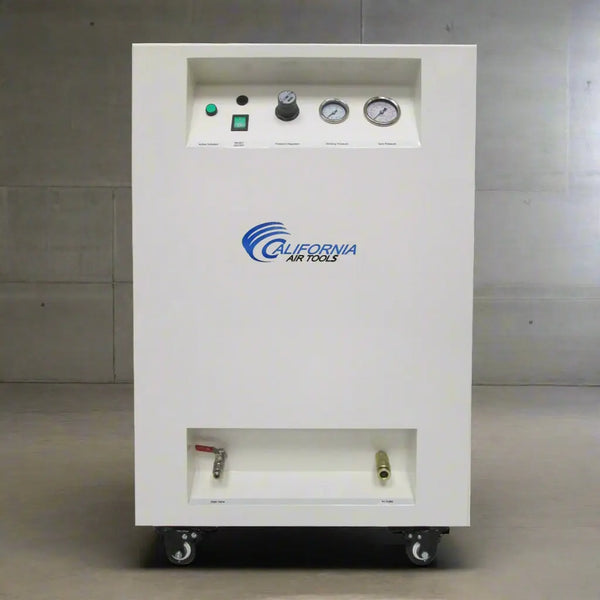 Sale 1.0 HP, 8.0 Gal, Sound Proof Cabinet, Auto Drain, Ultra Quiet Oil-Free Air Compressor - California Air | CAT-8010SPCAD $1,243.00
Regular price $1,814.00 -
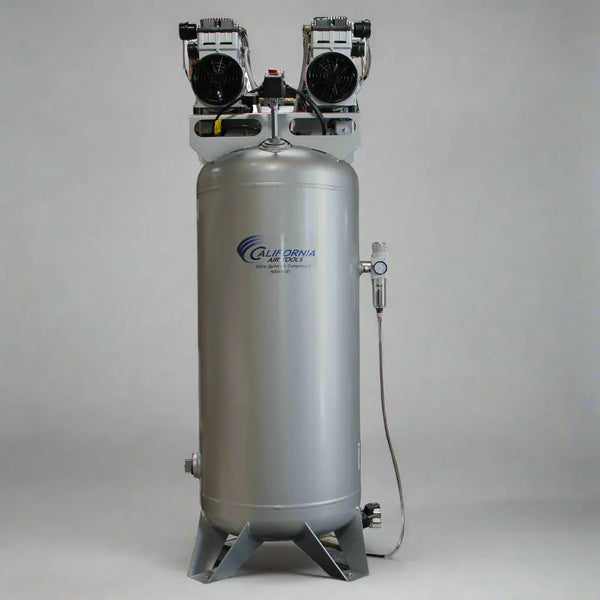 Sale 4.0 HP, 60.0 Gal, Steel Tank, Auto Drain, Ultra Quiet Oil-Free Air Compressor - California Air | CAT-60040CAD $1,799.00
Regular price $2,249.00 -
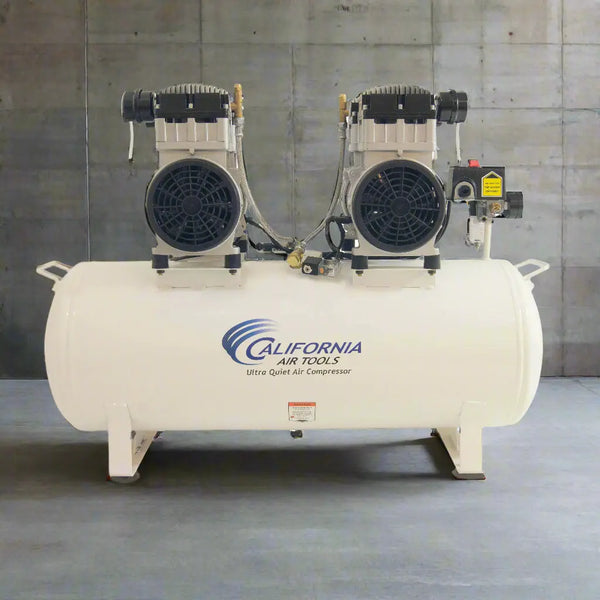 Sale 4.0 HP, 20.0 Gal, Steel Tank, Ultra Quiet Oil-Free Air Compressor - California Air | CAT-20040C $1,064.00
Regular price $1,330.00 -
 Sale 2.0 HP, 10.0 Gal, Steel Tank, Ultra Quiet Oil-Free Air Compressor - California Air | CAT-10020C $399.00
Regular price $499.00 -
 Sale Atlas Copco LT2-10S PP 460/3/60 DOL 2 HP Silenced Piston Air Compressor $3,411.00
Regular price $4,264.00 -
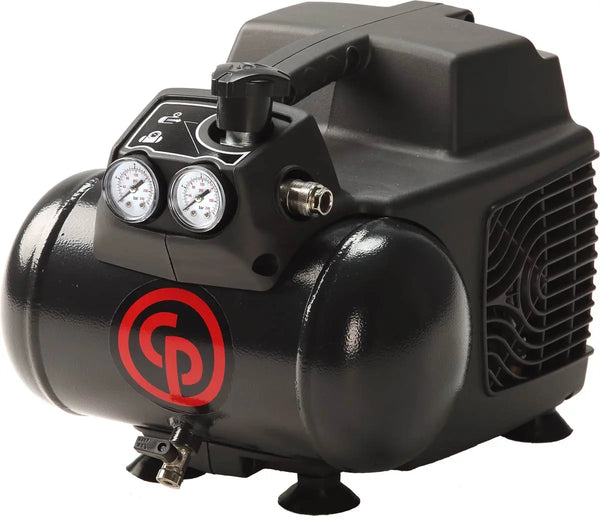 Sale Chicago Pneumatic 1.5 HP "EZ-Air" Hand Carry Air Compressor $89.00
Regular price $119.00 -
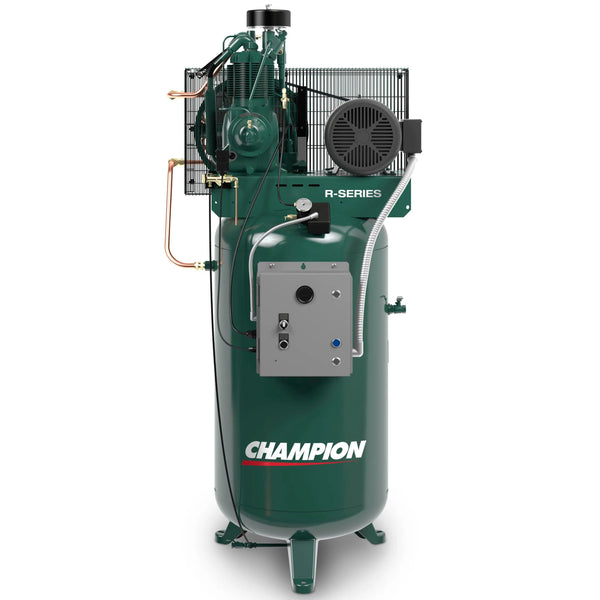 Sale Champion R-Series Vertical Simplex Piston Air Compressor $3,949.00
Regular price $7,360.00Add to cart -
 Champion R-Series Horizontal Simplex Piston Air Compressor $3,882.00 Add to cart
-
 Sale 1.0 HP, 6.0 Gal, Steel Tank, Ultra Quiet Oil-Free Air Compressor - California Air | CAT-6010LFC $397.00
Regular price $496.00 -
 Sale 2.0 HP, 10.0 Gal, Steel Tank, 98% Air Dryer, Auto Drain, Ultra Quiet Oil-Free Air Compressor - California Air | CAT-10020HDCADC $2,250.00
Regular price $2,813.00 -
 Sale 1.0 HP, 8.0 Gal, Aluminum Tank, Long Life, Ultra Quiet Oil-Free Air Compressor - California Air | CAT-8010ALFC $430.00
Regular price $538.00 -
 Sale 1.0 HP, 8.0 Gal, Aluminum Tank, Ultra Quiet Oil-Free Air Compressor - California Air | CAT-8010A $265.00
Regular price $331.00 -
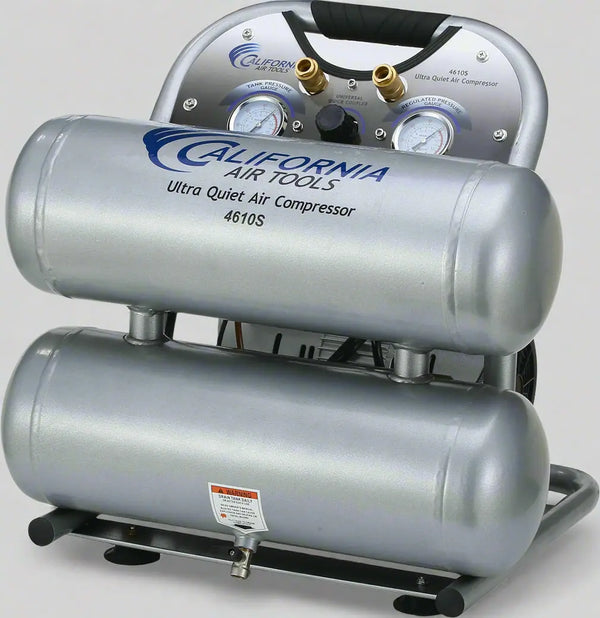 Sale 1.0 HP, 4.6 Gal, Steel Tank, Ultra Quiet Oil-Free Air Compressor - California Air | CAT-4610S $272.00
Regular price $340.00 -
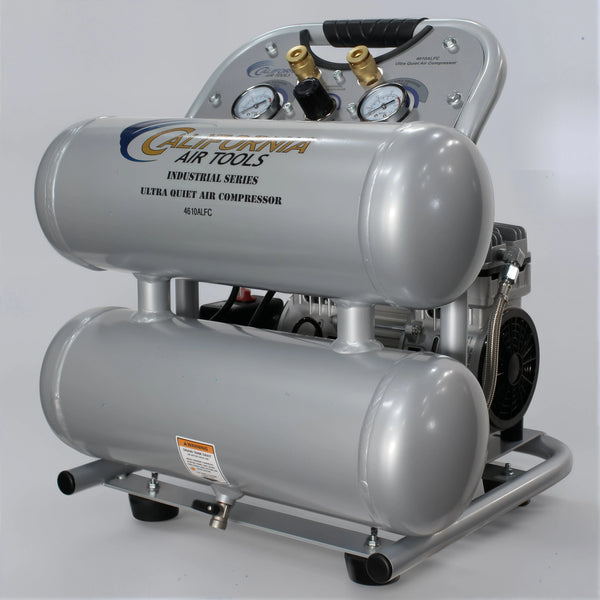 Sale 1.0 HP, 4.6 Gal, Aluminum Tank, Long Life, Ultra Quiet Oil-Free Air Compressor - California Air | CAT-4610ALFC $595.00
Regular price $744.00 -
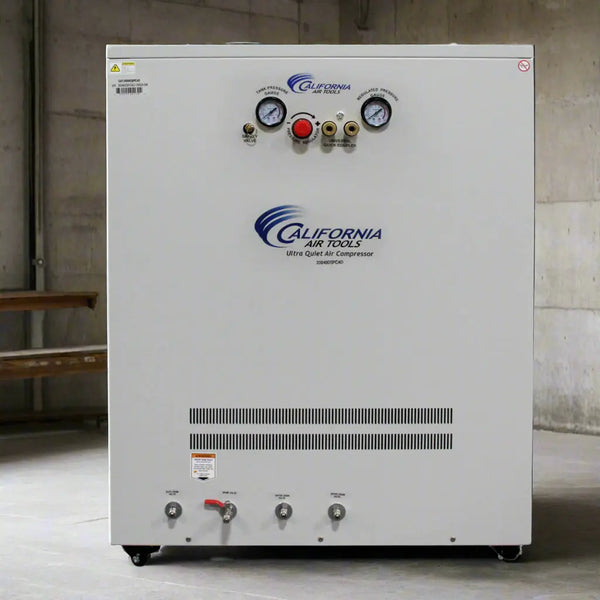 Sale 4.0 HP, 20.0 Gal, Sound Proof Cabinet, 80% Air Dryer, Auto Drain, Ultra Quiet Oil-Free Air Compressor - California Air | CAT-20040DSPCAD $4,953.00
Regular price $6,191.00


The horsepower printed on a consumer compressor is often peak draw, not running horsepower. A unit advertised at 6.5 peak HP on a 15 amp circuit is doing roughly 1.5 running HP of work. Everything on this page is listed by running horsepower, 0.6 to 4 HP, so the numbers compare straight across.
Who buys in this range
Trim carpenters and framers running nail guns, mobile detailers, hobby woodshops, tire inflation at a service counter, and anyone who needs air on a standard 115 volt outlet. At 2 HP you're looking at 4 to 5 CFM. At 4 HP, 8 to 11 CFM. That runs a nailer, a blow gun, a small ratchet, or an HVLP touch-up gun. It will not keep up with a 1/2 inch impact or a sander, which pull 5 to 9 CFM continuously. If that's the work, skip to 5 to 7.5 HP.
Oil-free or oil-lubricated
Oil-free units are quieter, lighter and need no oil changes, and the California Air Tools machines here run in the 60 to 70 dBA range, which is conversation-level. The tradeoff is service life: oil-free pumps are generally rated for 3,000 hours or less, where an oil-lubricated cast iron pump will go 10,000 or more. For intermittent use the oil-free unit usually outlasts the owner's interest in it. For daily shop duty, buy the oil-lubricated pump. More on that split in cutting compressor noise.
Power and circuits
Up to 2 HP, these run on 115 volt and will usually share a 15 or 20 amp circuit, though a compressor on a shared circuit is the most common cause of nuisance breaker trips we hear about. From 3 HP up, plan on 230 volt single phase. Wire and breaker sizing covers what each size draws.
If you're working from a nameplate on an old machine and the units don't match, the unit converter puts bar, l/min and kW into PSI, CFM and HP. Other sizes are on Shop by Horsepower.


