


Some filters could not be applied and were reset.
-
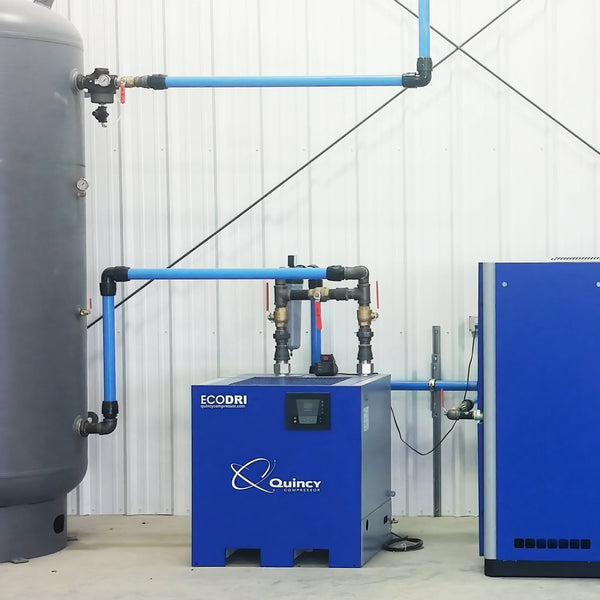 Sale Quincy QED Eco-Dri Cycling Refrigerated Dryer $1,958.40
Regular price $2,391.90Add to cart -
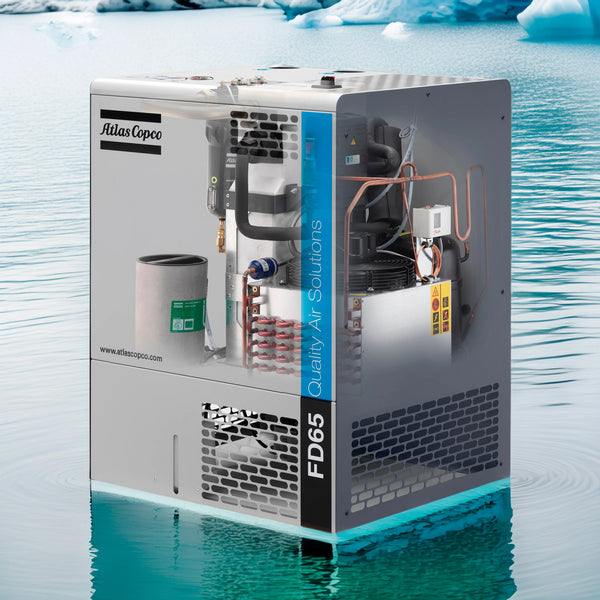 Sale Atlas Copco FD Cycling Refrigerated Air Dryer $1,819.00
Regular price $2,910.00Add to cart -
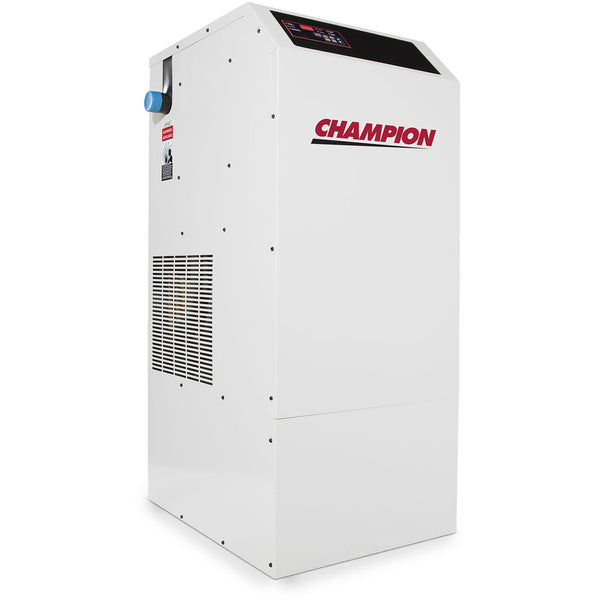 Sale Champion XCCYA Series Cycling Refrigerated Air Dryer - Thermal Mass Energy Saving with Filtration (10-1200 SCFM) $2,861.73
Regular price $3,533.00Add to cart -
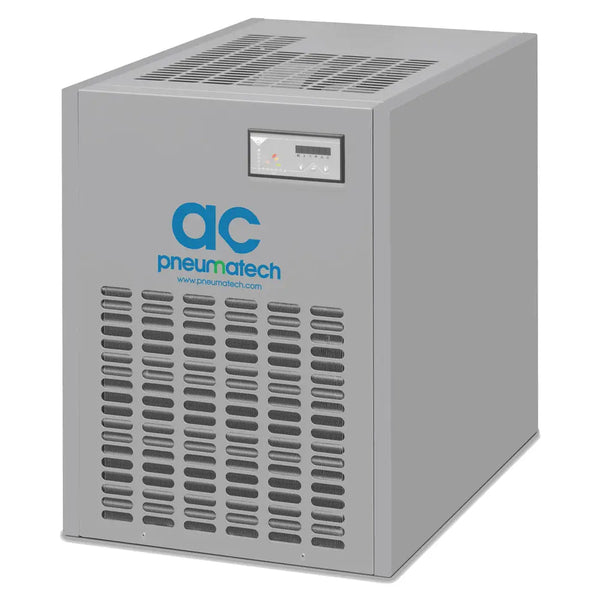 Sale AC Cycling Refrigerated Air Dryer By Pneumatech $1,780.00
Regular price $2,162.00Add to cart -
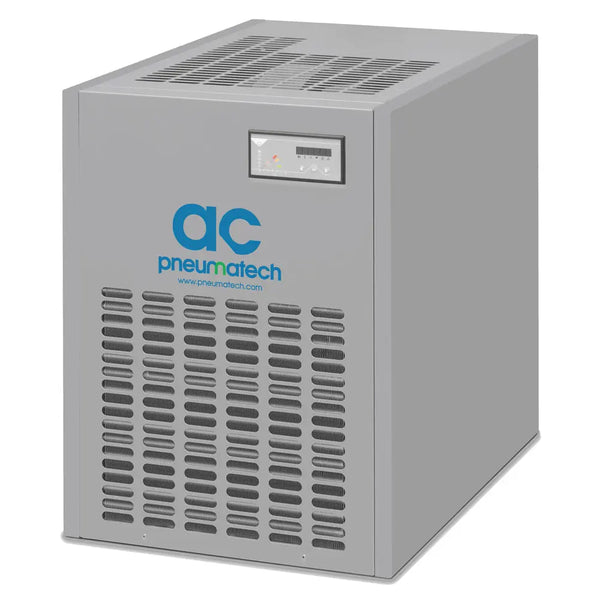 Sale AC Large Cycling Refrigerated Air Dryer by Pneuematech $17,990.00
Regular price $21,244.00Add to cart -
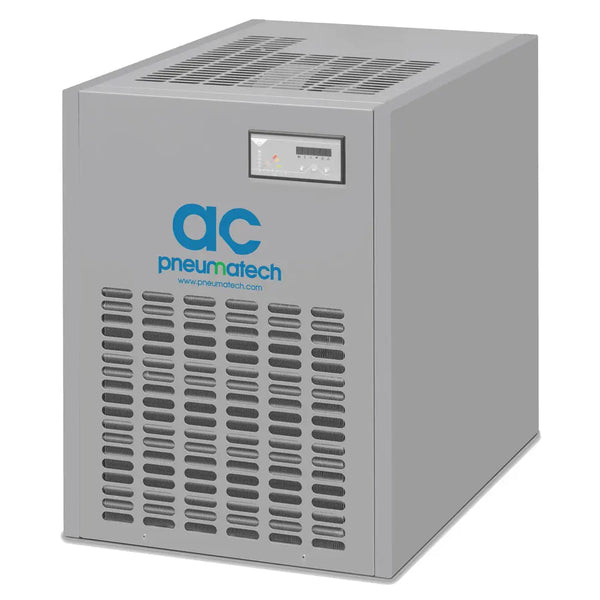 Sale AC Variable Speed Cycling Refrigerated Air Dryer By Pneumatech $7,065.00
Regular price $10,296.00Add to cart -
 Sale Nano TMC Thermal-Mass Cycling Refrigerated Air Dryer $2,600.00
Regular price $3,082.00Add to cart

A non-cycling refrigerated dryer runs its refrigeration compressor 100 percent of the time, whether you're pulling 10 CFM through it or 200. A cycling dryer shuts that circuit off and coasts on a thermal mass, so at half load it draws roughly half the power. On a unit consuming 0.7 to 0.8 kW per 100 CFM, that's real money, but only if your load actually drops.
Which is the honest limit on these. Cycling dryers cost more up front and the payback comes entirely from idle time. If your compressor runs flat out through one shift and the plant goes dark at night, a non-cycling dryer does the same job for less money. Cycling wins where demand swings through the day, where you run multiple shifts at different loads, or where the dryer is deliberately oversized against a light average load. Dew point also drifts as the unit cycles, typically 35 to 50 degrees F rather than sitting at 38, so if a process has a tight dew point spec, a plain refrigerated dryer is the safer pick.
The mistake is sizing off the compressor nameplate. Dryer capacity is published at 100 degrees F inlet, 100 degrees F ambient and 100 PSIG, and real compressor rooms run hotter than that in August. Figure a 20 to 30 percent derate and buy the next size up. Then make sure it has something to do, because a cycling dryer that never sees a load swing is a premium you paid for and can't use. If you're not sure which way your load runs, tell us what's connected and we'll work it out before you order any dryer.


