


Some filters could not be applied and were reset.
-
 Sale Chicago Pneumatic QRS Rotary Screw Air Compressor $6,251.00
Regular price $8,118.00Add to cart -
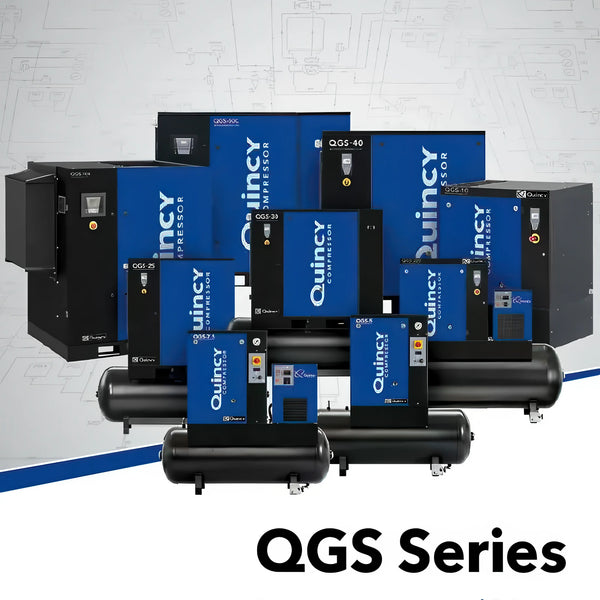 Sale Quincy QGS Rotary Screw Air Compressor $7,107.00
Regular price $8,187.00Add to cart -
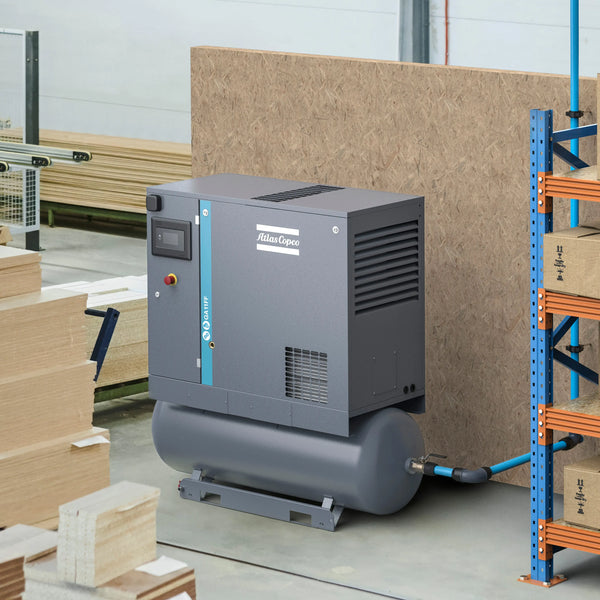 Sale Atlas Copco GA5 - GA11 Oil-Injected Rotary Screw Air Compressor $12,129.00
Regular price $19,405.00Add to cart -
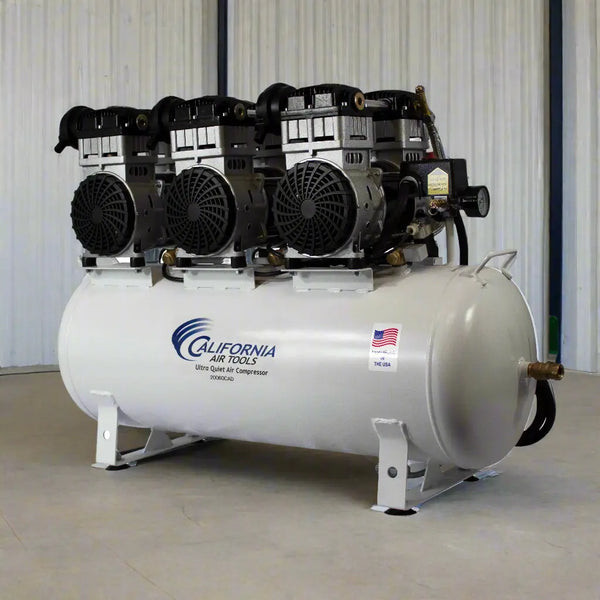 Sale 6.0 HP, 20.0 Gal, Steel Tank, Auto Drain, Ultra Quiet Oil-Free Air Compressor - California Air | CAT-20060CAD $1,992.00
Regular price $2,490.00 -
 Sale Atlas Copco G2 - G7 Rotary Screw Air Compressor Series $6,552.00
Regular price $10,482.00Add to cart -
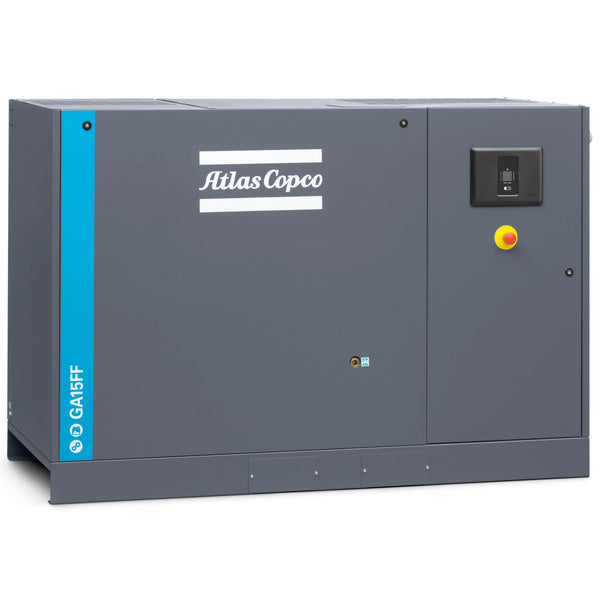 Sale Atlas Copco GA15-30 Rotary Screw Air Compressor Series $18,052.00
Regular price $28,883.00Add to cart -
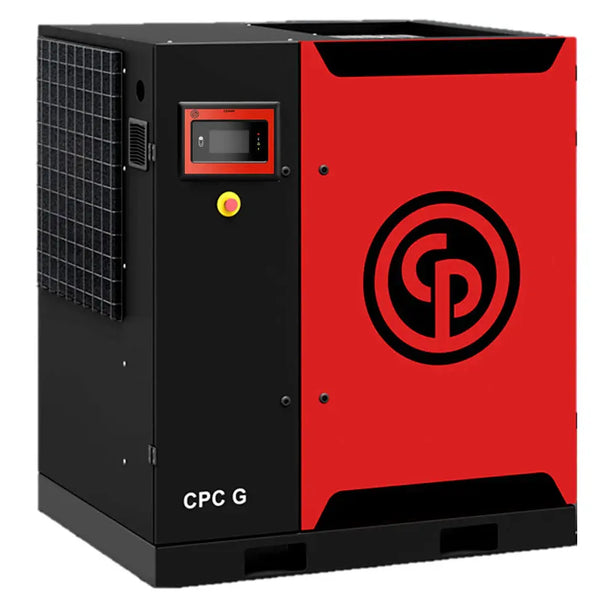 Sale CPCg Gear Driven Rotary Screw Air Compressor By Chicago Pneumatic $24,532.44
Regular price $28,743.00Add to cart -
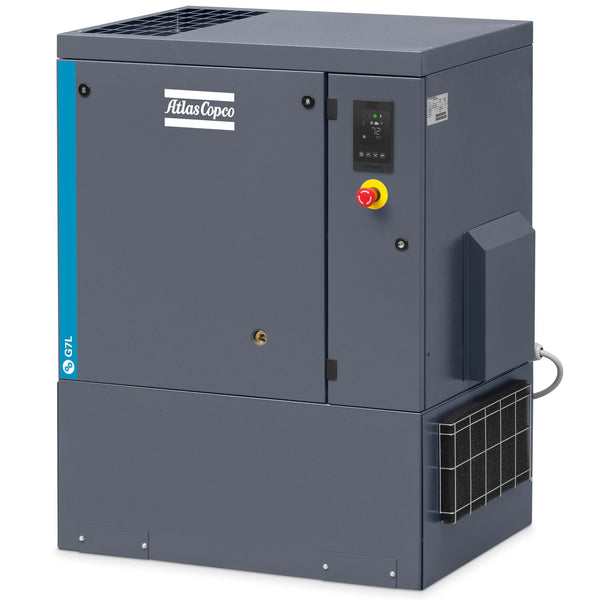 Sale G7L-15 Series Rotary Screw Air Compressor By Atlas Copco $10,247.00
Regular price $16,395.00Add to cart -
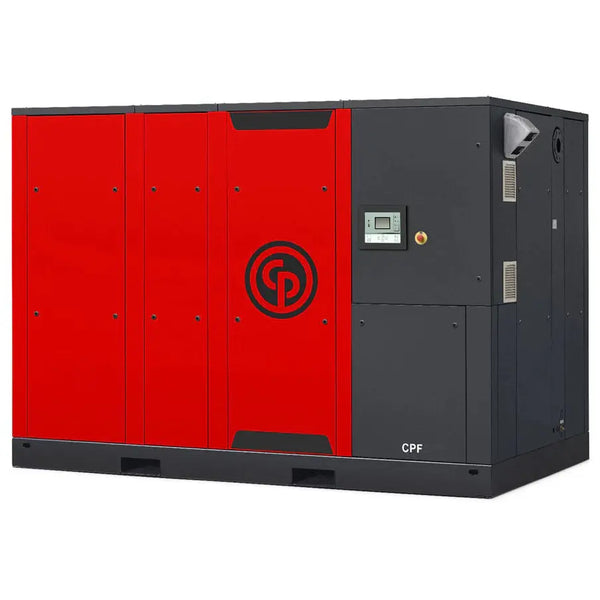 Sale CPF Professional Gear Driven Rotary Screw Air Compressor By Chicago Pneumatic $66,755.94
Regular price $80,107.13Add to cart -
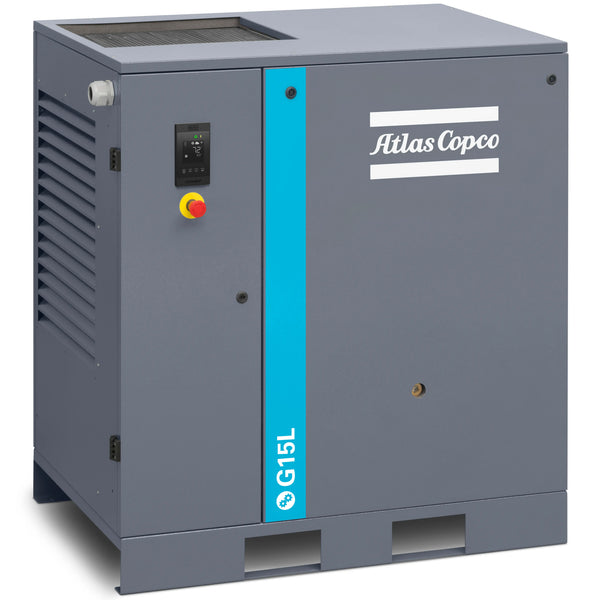 Sale Atlas Copco G15L-22 Rotary Screw Air Compressor Series $14,879.00
Regular price $23,806.00Add to cart -
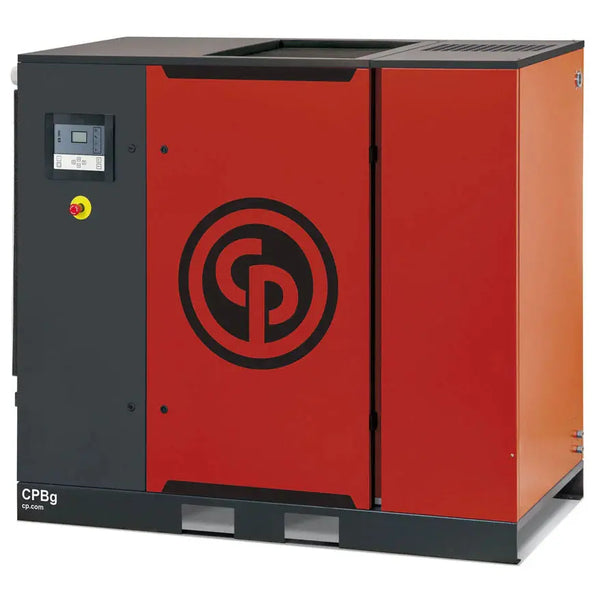 Sale CPBg Gear Driven Rotary Screw Air Compressor By Chicago Pneumatic $16,007.44
Regular price $19,208.93Add to cart -
 Sale 2.0 HP, 10.0 Gal, Sound Proof Cabinet, 80% Air Dryer, Auto Drain, Ultra Quiet Oil-Free Air Compressor - California Air | CAT-10020DSPCAD $2,470.00
Regular price $3,519.00 -
 Sale Chicago Pneumatic CPI Fixed Speed Screw Air Compressor with Permanent Magnet Motor $40,110.80
Regular price $48,133.06Add to cart -
 Sale Atlas Copco GA30+-GA37 Rotary Screw Air Compressor Series $31,447.00
Regular price $50,315.00Add to cart -
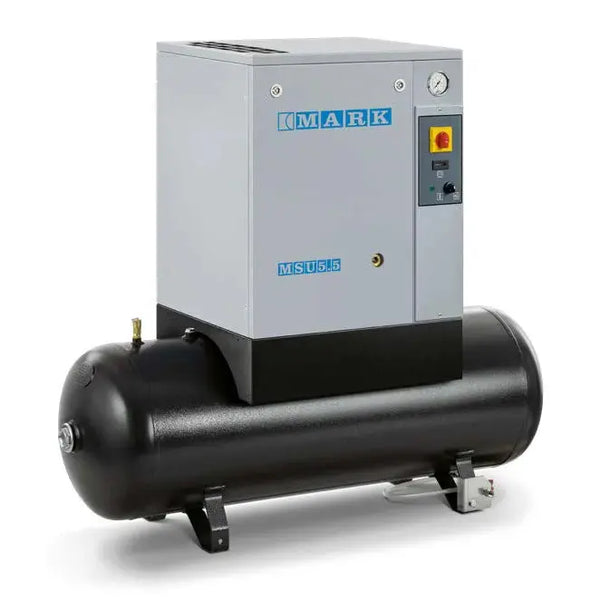 Sale MSU Rotary Screw Air Compressor By Mark $5,454.00
Regular price $6,619.00Add to cart -
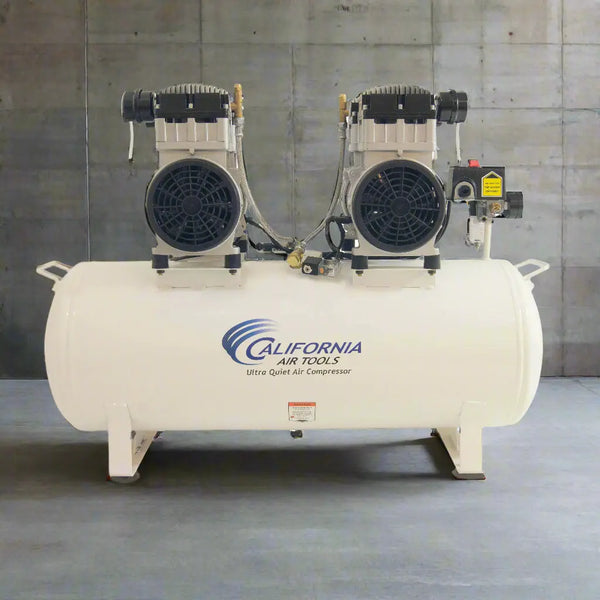 Sale 4.0 HP, 20.0 Gal, Steel Tank, Ultra Quiet Oil-Free Air Compressor - California Air | CAT-20040C $1,064.00
Regular price $1,330.00 -
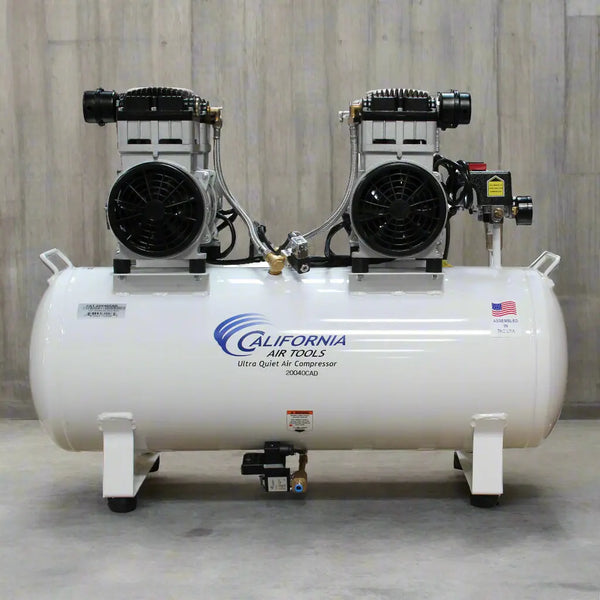 Sale 4.0 HP, 20.0 Gal, Steel Tank, Auto Drain, Ultra Quiet Oil-Free Air Compressor - California Air | CAT-20040CAD $1,269.00
Regular price $1,586.00 -
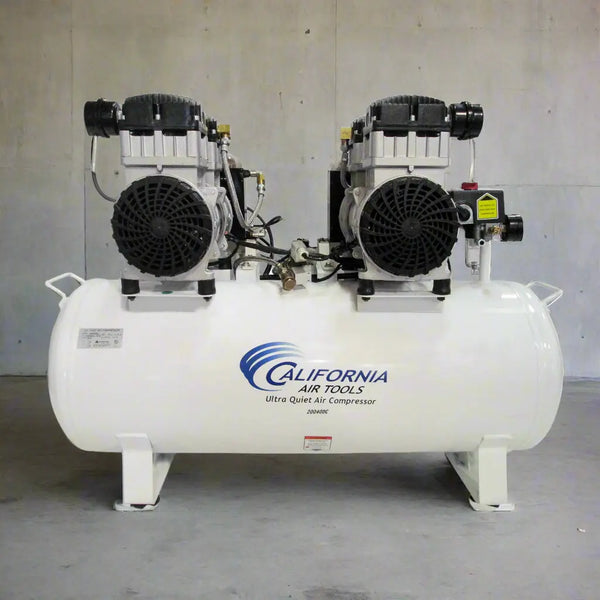 Sale 4.0 HP, 20.0 Gal, Steel Tank, 80% Air Dryer, Ultra Quiet Oil-Free Air Compressor - California Air | CAT-20040DC $2,857.00
Regular price $3,571.00 -
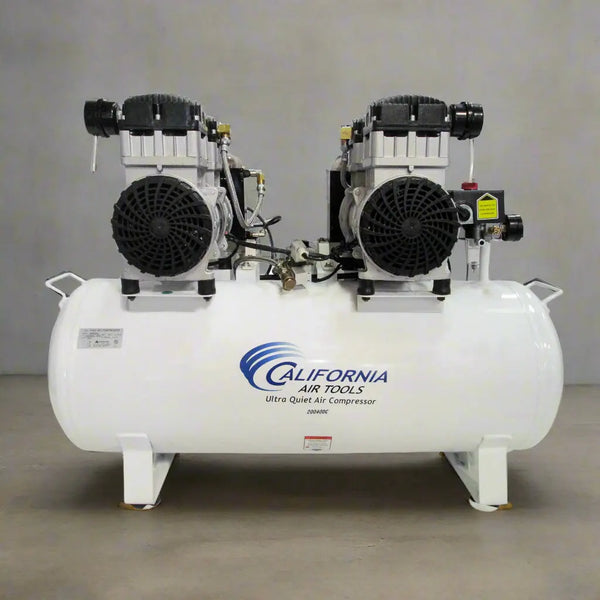 Sale 4.0 HP, 20.0 Gal, Steel Tank, 80% Air Dryer, Auto Drain, Ultra Quiet Oil-Free Air Compressor - California Air | CAT-20040DCAD $2,951.00
Regular price $3,689.00 -
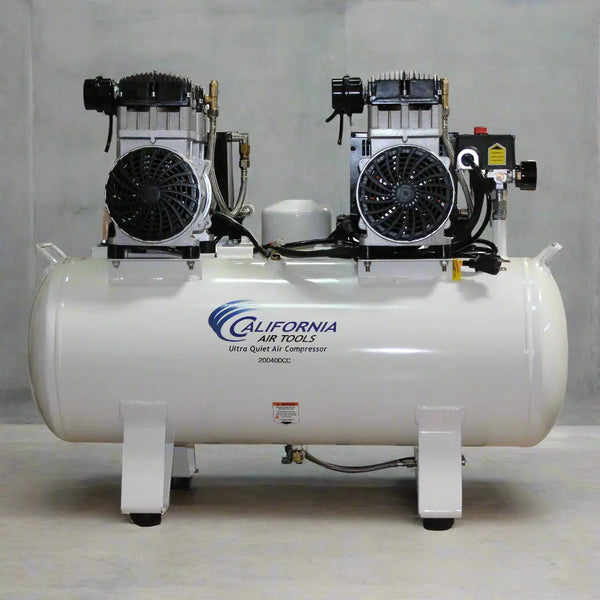 Sale 4.0 HP, 20.0 Gal, Steel Tank, 98% Air Dryer, Auto Drain, Ultra Quiet Oil-Free Air Compressor - California Air | CAT-20040DCADC $3,750.00
Regular price $4,688.00 -
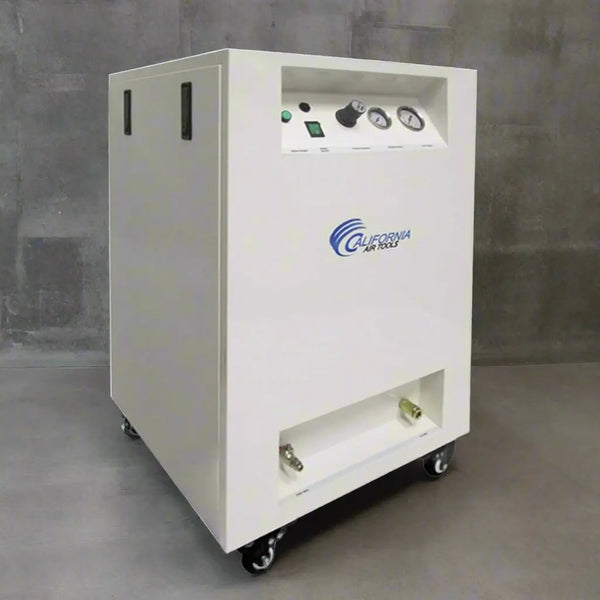 Sale 1.0 HP, 8.0 Gal, Sound Proof Cabinet, Ultra Quiet Oil-Free Air Compressor - California Air | CAT-8010SPC $1,152.00
Regular price $1,680.00 -
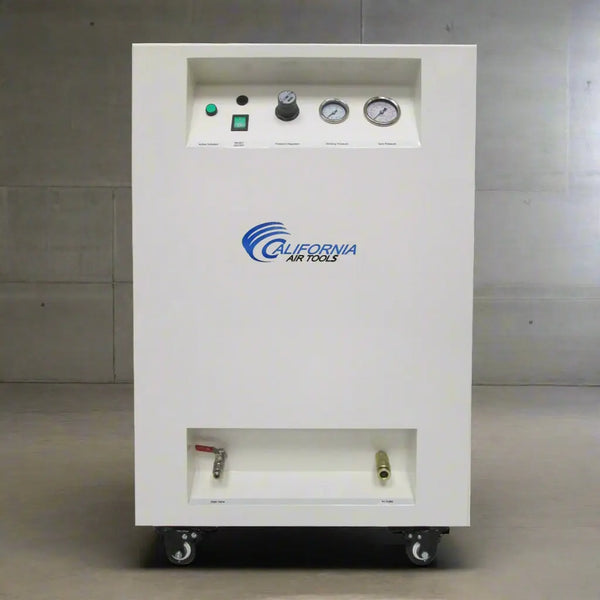 Sale 1.0 HP, 8.0 Gal, Sound Proof Cabinet, Auto Drain, Ultra Quiet Oil-Free Air Compressor - California Air | CAT-8010SPCAD $1,243.00
Regular price $1,814.00 -
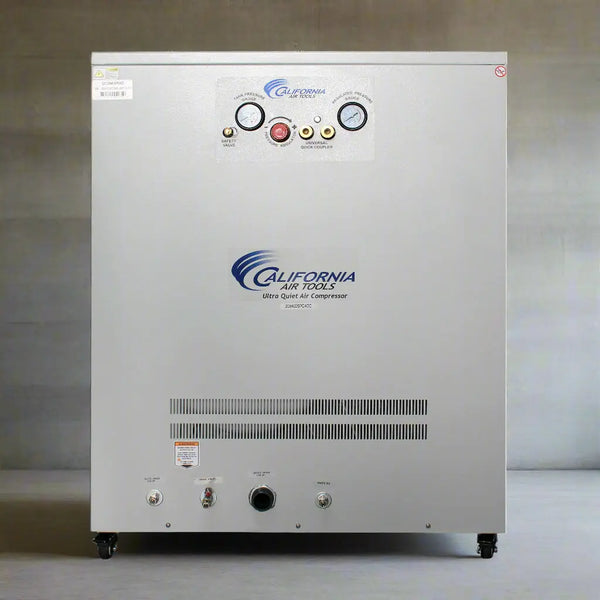 Sale 4.0 HP, 20.0 Gal, Sound Proof Cabinet, 98% Air Dryer, Auto Drain, Ultra Quiet Oil-Free Air Compressor - California Air | CAT-20040DSPCADC $5,441.00
Regular price $6,801.00 -
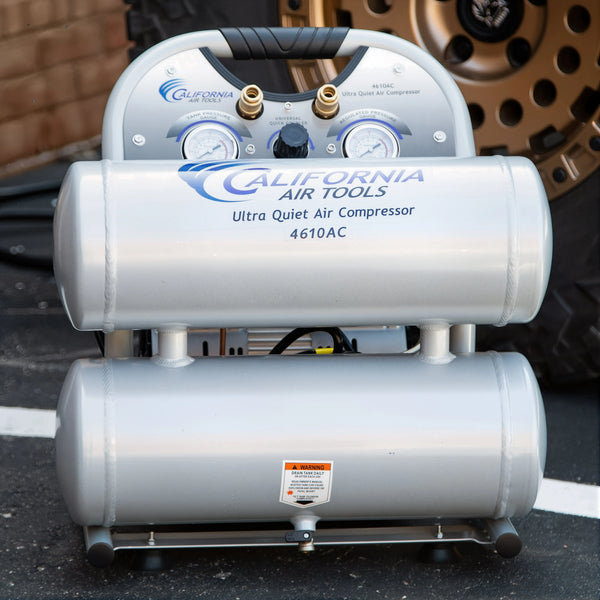 Sale 1.0 HP, 4.6 Gal, Aluminum Tank, Ultra Quiet Oil-Free Air Compressor - California Air | CAT-4610AC $290.00
Regular price $363.00


An unloaded rotary screw compressor still draws 20 to 35 percent of its full load power. Everything about buying a fixed speed machine comes back to that number. It is cheap to own when it spends its time loaded, and expensive when it does not.
Fixed speed is right when demand is steady and sits at 70 percent or more of the compressor's rated CFM. Production lines, a blast cabinet that runs all day, a busy shop on two shifts. The machine stays loaded, you skip the cost of a drive, and there is one less thing on the package to fail in year eight.
Where it falls down is swing. If your load jumps from 30 CFM to 120 CFM and back every few minutes, a fixed speed unit loads and unloads all day, and short cycling is what kills airends, contactors and inlet valves. Two fixes: add storage, or buy variable speed. Plan on 4 to 10 gallons of receiver per CFM, toward the high end if you have a big intermittent draw.
The sizing mistake
People total every tool on the floor at 100 percent duty, add a safety factor on top, and buy twice the compressor they need. Almost nothing in a shop runs continuously. Add up what genuinely runs at the same time, at the pressure you actually hold, then add 15 to 20 percent for leaks and growth. An oversized fixed speed machine costs more up front, costs more to run, and short cycles on top of it. Tell us which tools you are feeding and we will work the numbers with you.


