


Some filters could not be applied and were reset.
-
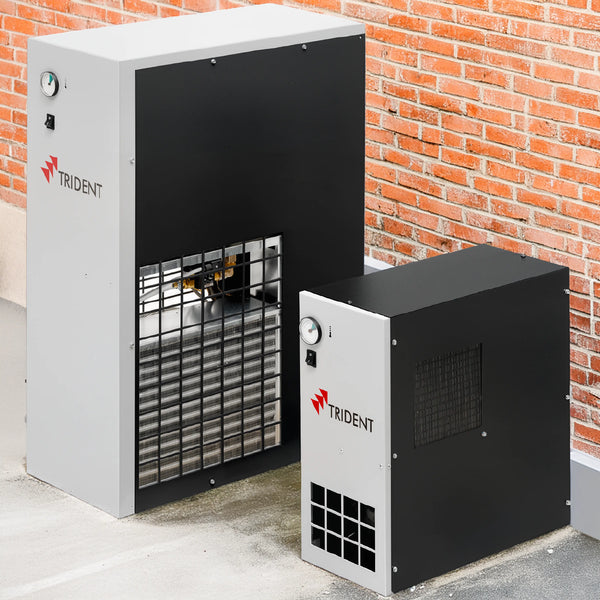 Sale Trident TC Non-Cycling Refrigerated Air Dryer $924.00
Regular price $1,155.00Add to cart -
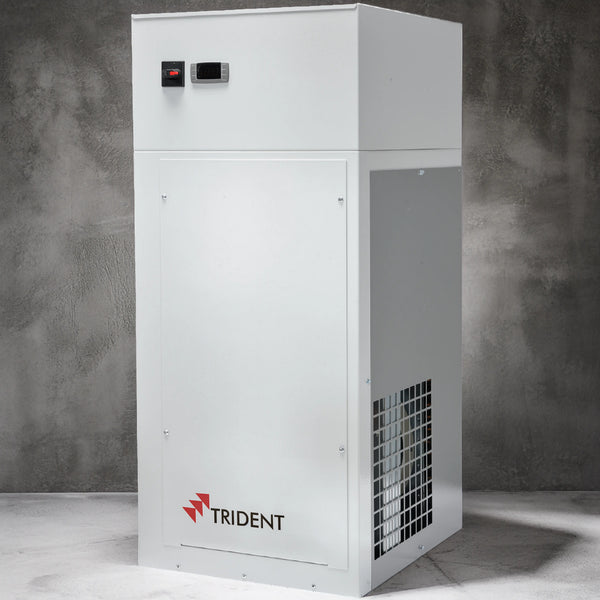 Sale Trident THT High-Temperature Refrigerated Dryer $2,529.60
Regular price $3,162.00Add to cart -
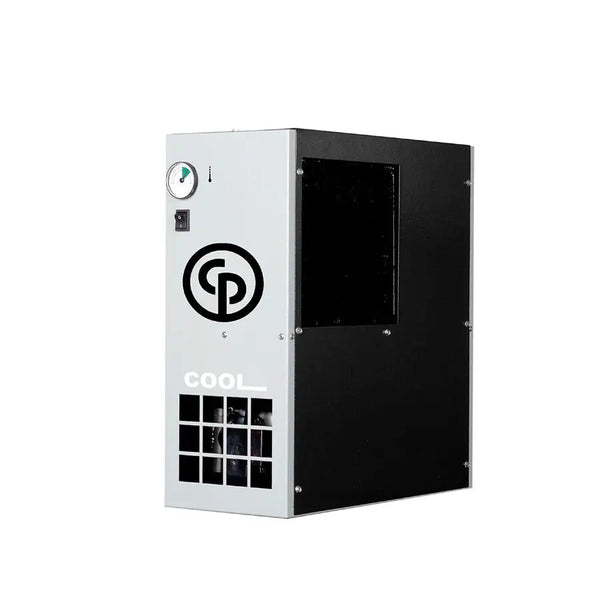 Sale COOL Non-Cycling Refrigerated Air Dryer By Chicago Pneumatic $1,170.35
Regular price $1,817.00Add to cart -
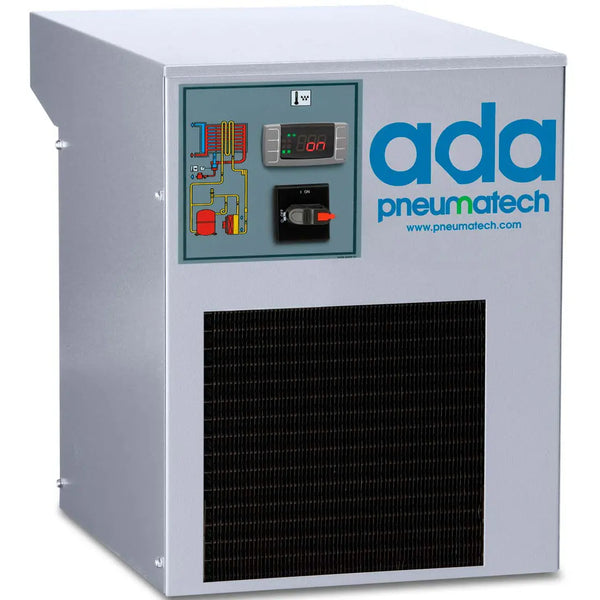 Sale ADA Non-Cycling Hi-Temp Refrigerated Air Dryer By Pneumatech $2,320.00
Regular price $2,984.00Add to cart -
 QPNC Non-Cycling Refrigerated Dryer By Quincy $1,635.00 Add to cart
-
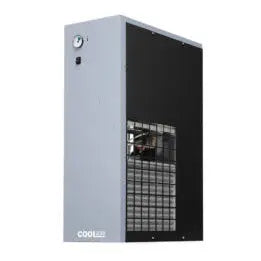 Sale COOL Non-Cycling Refrigerant Dryer By Quincy $1,080.00
Regular price $1,270.00Add to cart -
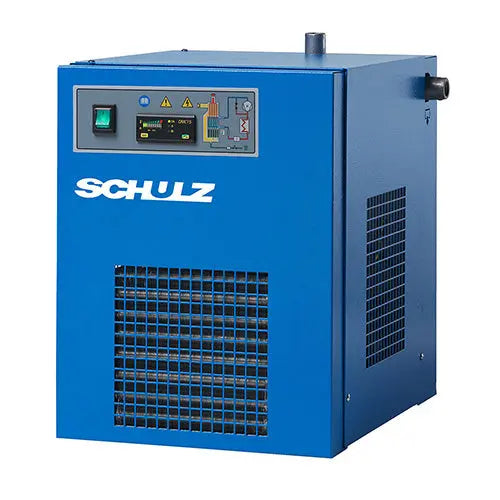 Sale Schulz Non-Cycling Refrigerated Air Dryer $1,794.00
Regular price $3,050.00Add to cart -
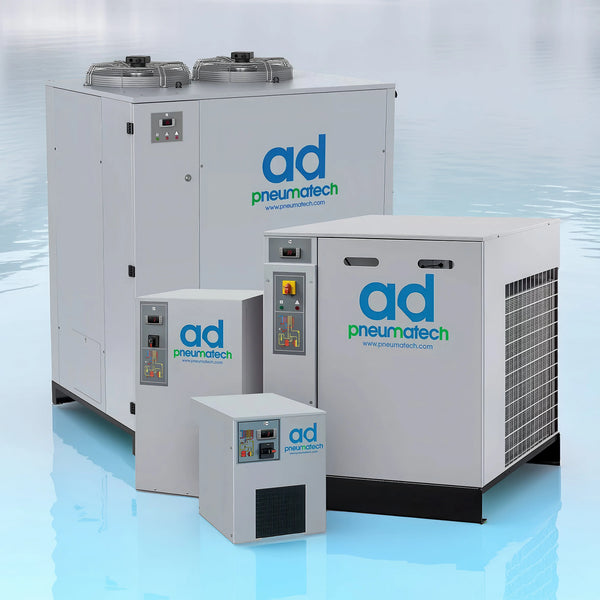 Sale Pneumatech AD Non-Cycling Refrigerated Air Dryer $1,570.00
Regular price $2,141.00Add to cart -
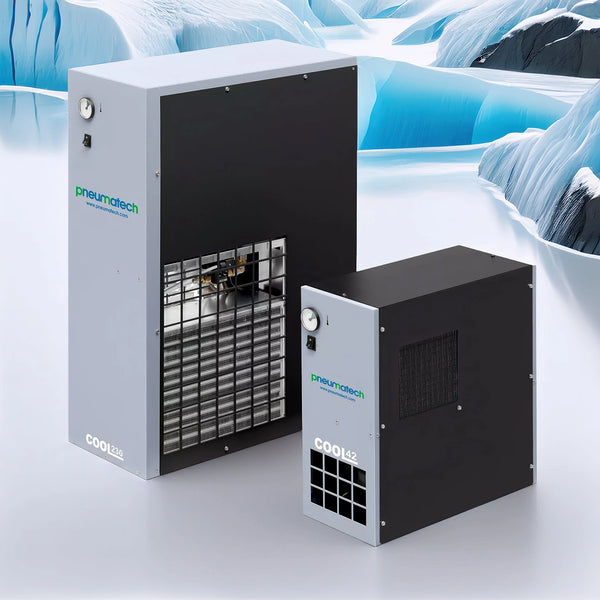 Sale Pneumatech COOL Non-Cycling Refrigerant Dryer $1,070.00
Regular price $1,447.00Add to cart -
 Sale Nano DXR Non-Cycling Refrigerated Air Dryer $1,299.00
Regular price $1,561.00Add to cart -
 Sale Chicago Pneumatic CPX Non-Cycling Refrigerated Air Dryer $1,546.00
Regular price $1,933.00Add to cart -
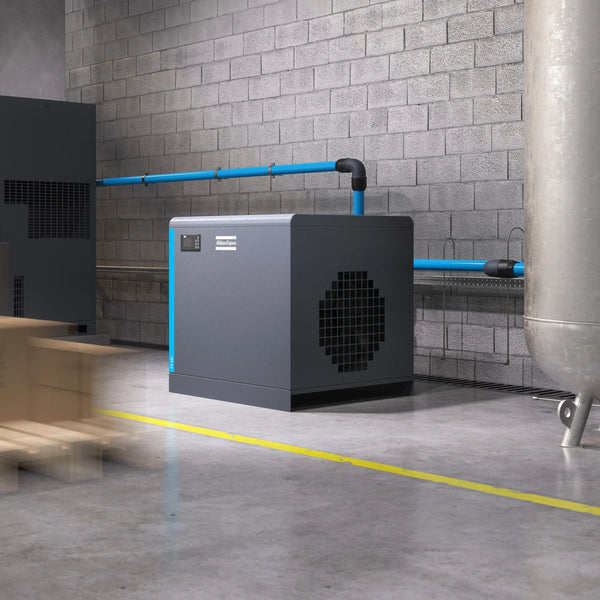 Sale Atlas Copco FX Refrigerated Air Dryer Series $1,282.00
Regular price $2,050.00Add to cart -
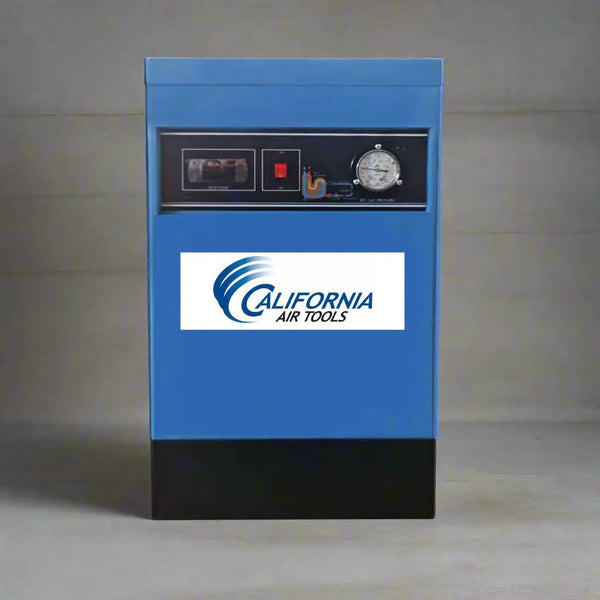 Sale 98% Non-Cycling Refrigerated Air Dryer, 220V - California Air | CAT-RD-91503 $852.00
Regular price $1,065.00 -
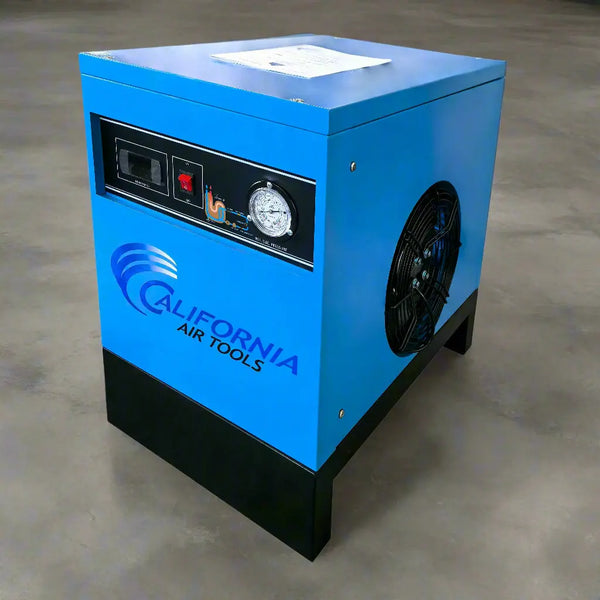 Sale 98% Non-Cycling Refrigerated Air Dryer - California Air | CAT-RD-91502 $1,625.00
Regular price $2,031.00 -
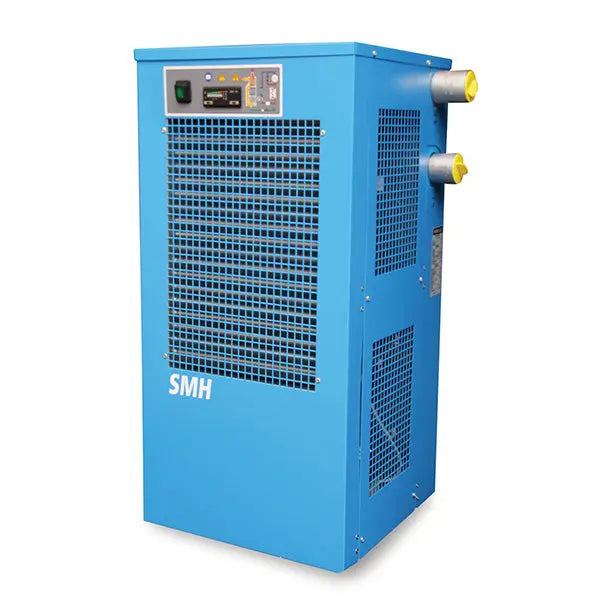 Sale Schulz SMH High Temperature Air Dryers $2,489.00
Regular price $4,232.00Add to cart -
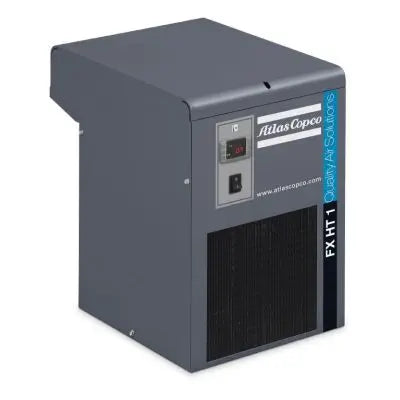 Sale FX HT15-60 High-Temperature Refrigerated Air Dryer By Atlas Copco $2,125.00
Regular price $3,400.00Add to cart -
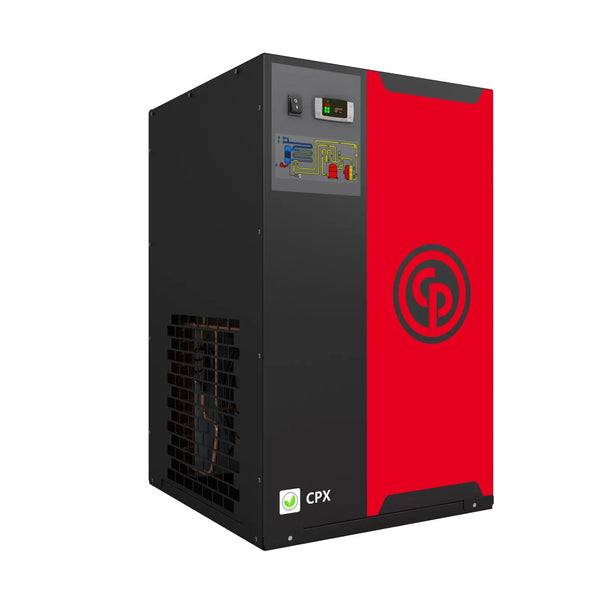 Sale CPXHT Refrigerated Air Dryer By Chicago Pneumatic $2,156.00
Regular price $2,695.00Add to cart -
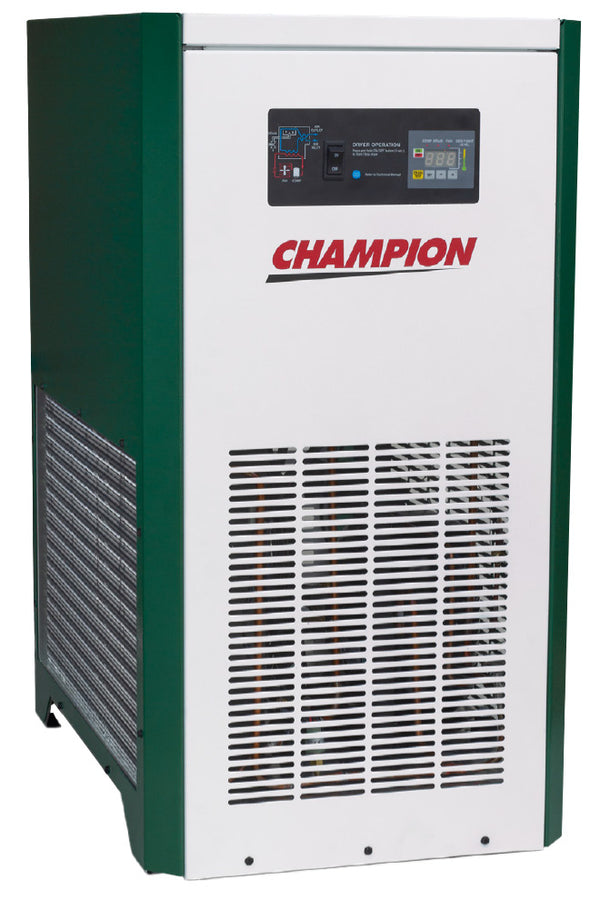 Sale Champion XCNCA Series Non-Cycling Refrigerated Air Dryer - X-Series with Integrated Filtration (75-1200 SCFM) $4,558.68
Regular price $5,628.00Add to cart


A non-cycling dryer runs its refrigeration compressor continuously, which means it draws the same power at 10 percent load as it does at full load. That one behavior is both why it is the cheapest refrigerated dryer to buy and the reason it is not always the cheapest to own.
The mechanics are simple. Compressed air passes through a heat exchanger, the refrigeration circuit cools it to roughly 35 to 40 degrees F, water that can no longer stay in vapor condenses out, and a drain dumps it. A hot gas bypass valve holds the evaporator just above freezing so condensate never ices up inside the exchanger. Because nothing cycles, dew point does not swing when demand changes, which is the advantage most people underrate.
When to buy the other kind
If the dryer will sit powered up through two or three shifts while the compressor loafs at partial load, that flat power draw works against you and a cycling thermal mass dryer will pay back the price difference. The dividing line is run hours more than flow. A shop running a few hours a day is fine on non-cycling at any size. A plant running around the clock at 40 percent load is not. We put real numbers to it in cycling vs non-cycling.
The harder limit is dew point. No refrigerated dryer, cycling or not, goes below freezing. Outdoor lines, unheated buildings and anything specifying a sub-freezing dew point need a desiccant dryer instead, and no amount of oversizing here gets you there.


