


Some filters could not be applied and were reset.
-
 Sale Aluminum Blue Pipe for Compressed Air by Prevost (9.5ft or 18ft) $18.90
Regular price $22.61Add to cart -
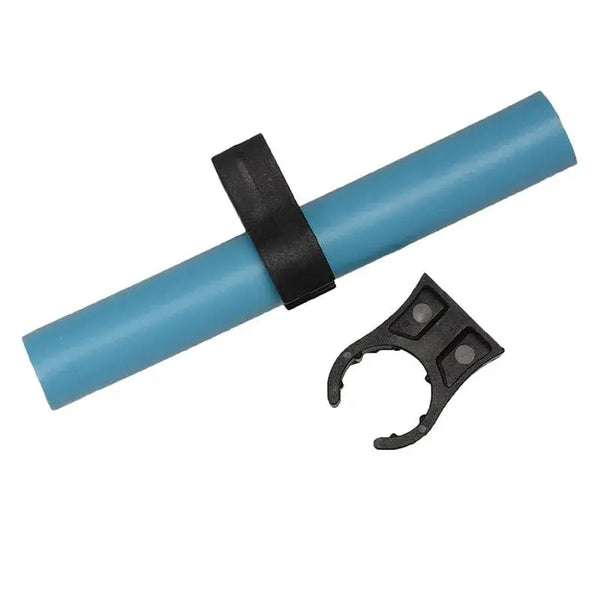 Sale MAXLINE PIPE CLIP (10 PER PACK) $17.00
Regular price $26.00Add to cart -
 Sale Aluminum Union for Air Pipe by Prevost $11.76
Regular price $14.08Add to cart -
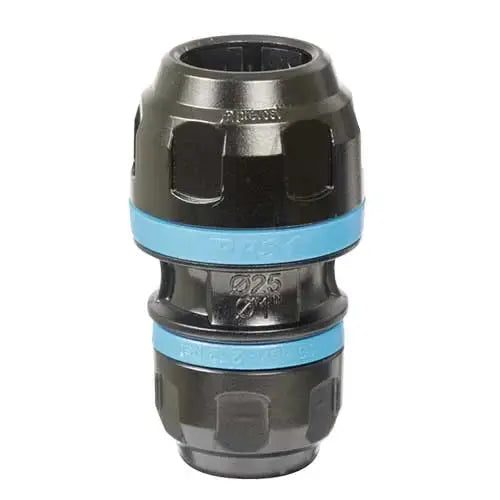 Sale Aluminum Pipe Reducing Fitting by Prevost $14.81
Regular price $17.71Add to cart -
 Sale Aluminum Female Thread Straight Fitting for Pipe by Prevost $7.94
Regular price $9.50Add to cart -
 Sale Aluminum 90° Compression Elbow for Air Pipe by Prevost $11.66
Regular price $13.94Add to cart -
 Sale Aluminum End Cap by Prevost $7.37
Regular price $8.83Add to cart -
 Sale Aluminum Equal Female Tee Socket for Air Pipe by Prevost $17.39
Regular price $20.81Add to cart -
 Sale Aluminum 45° Compression Elbow for Air Pipe by Prevost $14.81
Regular price $17.72Add to cart -
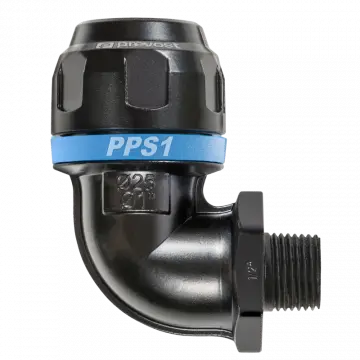 Sale Aluminum 90° Compression Elbow to Male NPT for Air Pipe by Prevost $8.60
Regular price $10.28Add to cart -
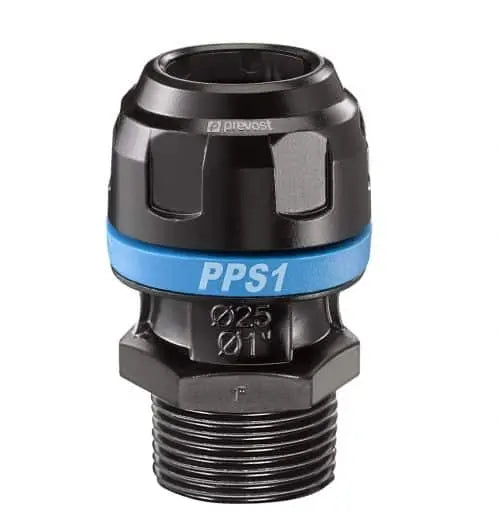 Sale Aluminum Tapered Male Thread Straight Fitting for Pipe by Prevost $7.94
Regular price $9.50Add to cart -
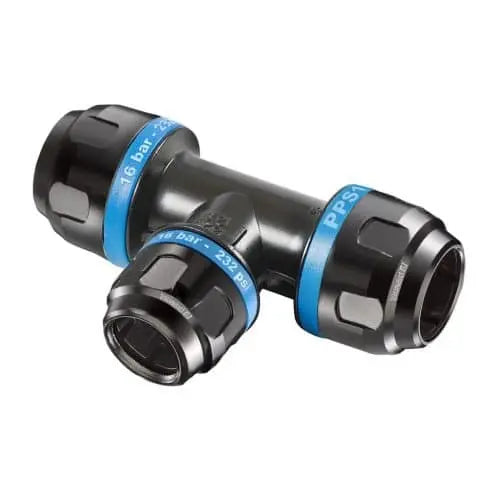 Sale Reducing Tee Fitting for Aluminum Air Pipe by Prevost $19.43
Regular price $23.25Add to cart -
 Sale Compression-to-FNPT Tee Fitting for Aluminum Air Pipe by Prevost $14.55
Regular price $17.41Add to cart -
 Sale Industrial (Milton) Safety Couplers by Prevost $29.36
Regular price $35.12Add to cart -
 Sale Industrial (Milton) Interchange Plugs by Prevost $1.94
Regular price $2.33Add to cart -
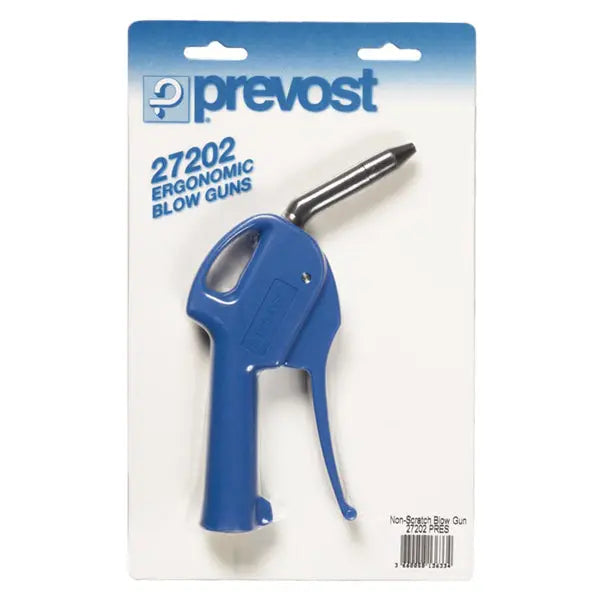 Sale Prevost 27202 Blow Guns Composite Nozzles $14.57
Regular price $17.42Add to cart -
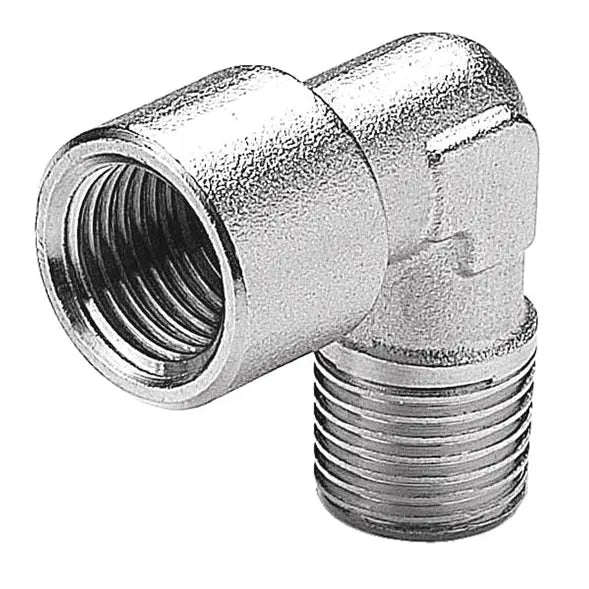 Brass Street Elbow by Prevost $0.00 Add to cart
-
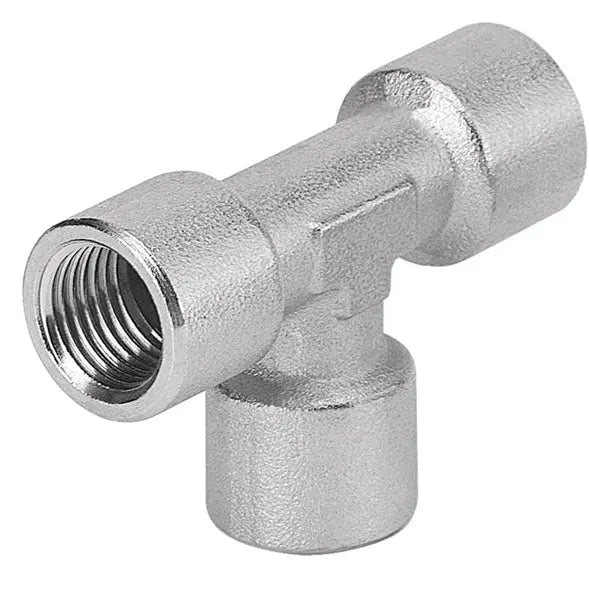 Sale Brass Tee by Prevost $2.97
Regular price $3.56Add to cart -
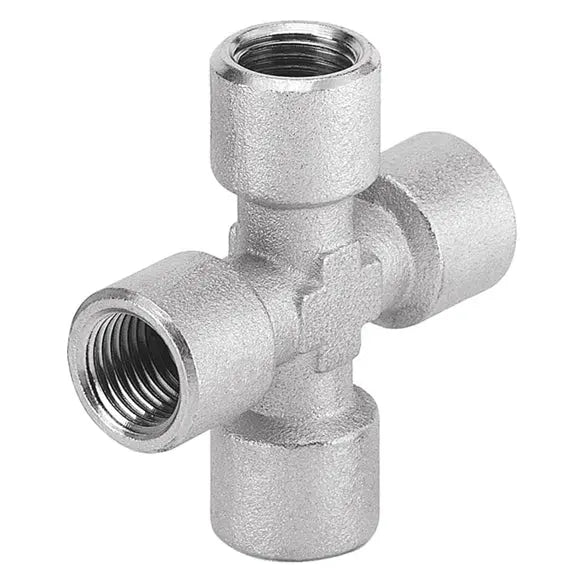 Sale Female Equal Cross by Prevost $5.51
Regular price $6.59Add to cart -
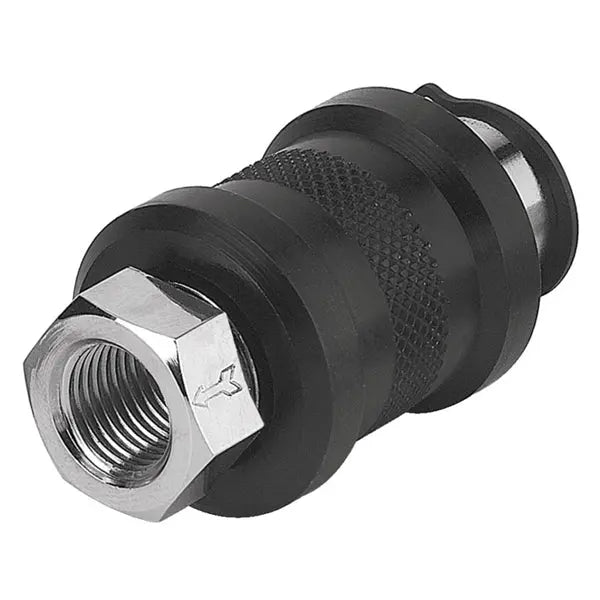 Sale Slide Valve by Prevost $26.03
Regular price $31.15Add to cart -
 Sale Brass Elbow by Prevost $2.39
Regular price $2.86Add to cart -
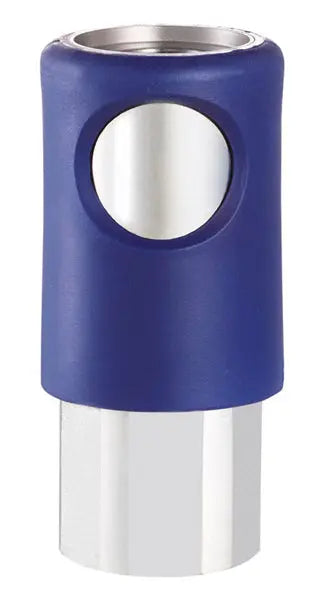 Sale ARO 210 Coupling by Prevost $28.34
Regular price $33.91Add to cart -
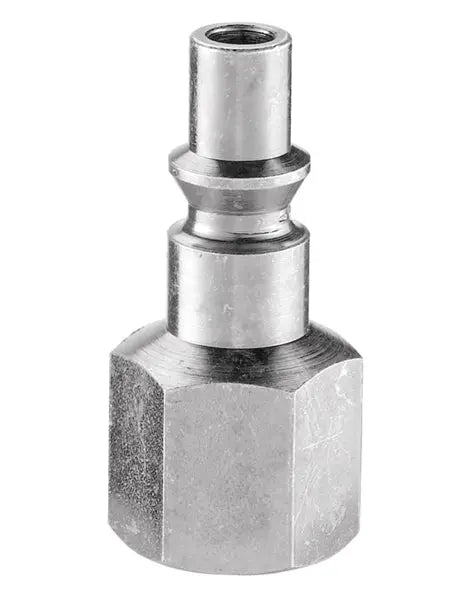 Sale ARO 210 Adaptor Plugs by Prevost $1.94
Regular price $2.33Add to cart -
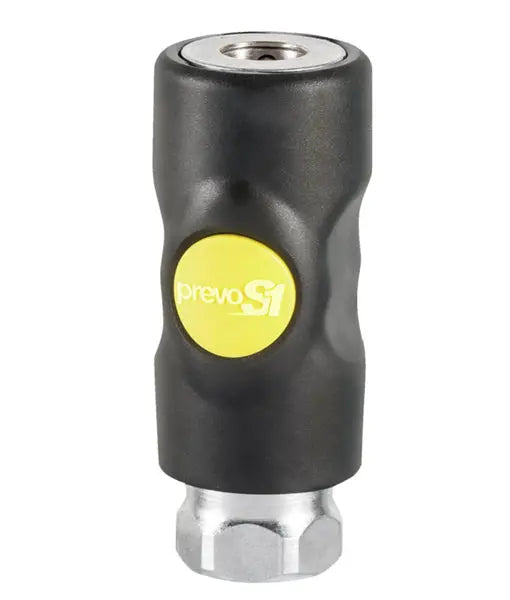 Sale ARO 210 Safety Coupler by Prevost $32.61
Regular price $39.02Add to cart


Half inch pipe moving 50 CFM over a 100 foot run gives up roughly 10 PSI. Three quarter inch over the same run gives up about 2. That is the entire argument for sizing aluminum air pipe to flow, and it is why the most expensive mistake in a compressed air system is matching pipe size to the compressor's outlet port instead of to the CFM going through it.
Keep velocity in the mains between 20 and 30 feet per second and you will stay out of trouble. The pipe sizing guide has the tables, and the piping layout article covers why a loop beats a dead end branch: air reaches every drop from two directions, so pressure holds when two machines call at once.
What is in here
Aluminum blue pipe in main and drop sizes, compression elbows at 45 and 90 degrees, equal and reducing tees, unions and straight couplings, tapping flanges and flanges with valves for clean drops, NPT transitions in aluminum and brass for tying into legacy black iron or copper, full port ball valves, and the cutters and prep tools that make the joints actually seal. It all matches up, which is the point of buying a system instead of a bin of fittings.
Two things we will tell you straight
Never run PVC for compressed air. It goes brittle with oil and age and fails as shrapnel. There is no version of that story where it is acceptable.
And black iron is not always wrong. For a ten foot run out of the compressor room on a tight budget, threaded steel is fine and cheaper. Aluminum earns its money on long runs, lots of drops, and systems you expect to extend or move. Either way, take drops off the top of the main and slope mains toward a drain leg, or you will be chasing water out of tools no matter what the pipe is made of.


