


Some filters could not be applied and were reset.
-
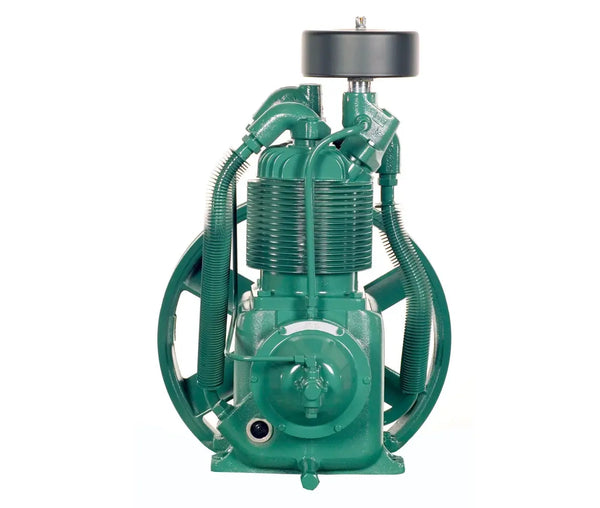 Sale R-Series, Two-Stage Bare Pumps by Champion $1,723.00
Regular price $3,210.00Add to cart -
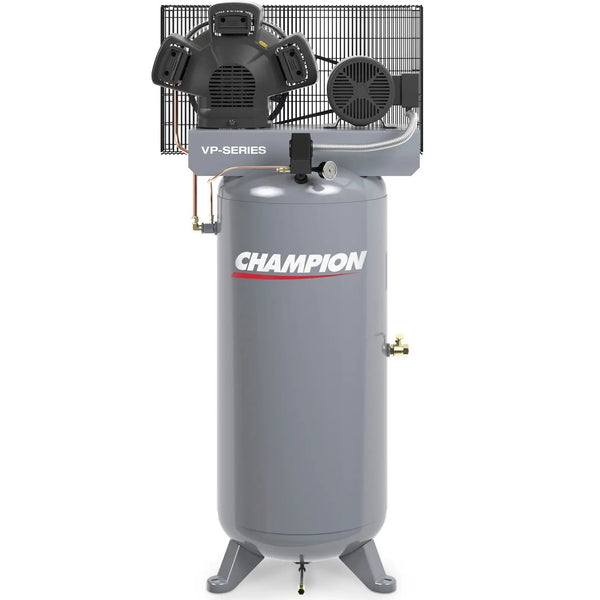 Sale Champion VP-Series Reciprocating Air Compressors $2,132.00
Regular price $3,972.00Add to cart -
 Sale Champion ADVANTAGE Series Two Stage Simplex Piston Air Compressor $4,666.00
Regular price $8,873.00Add to cart -
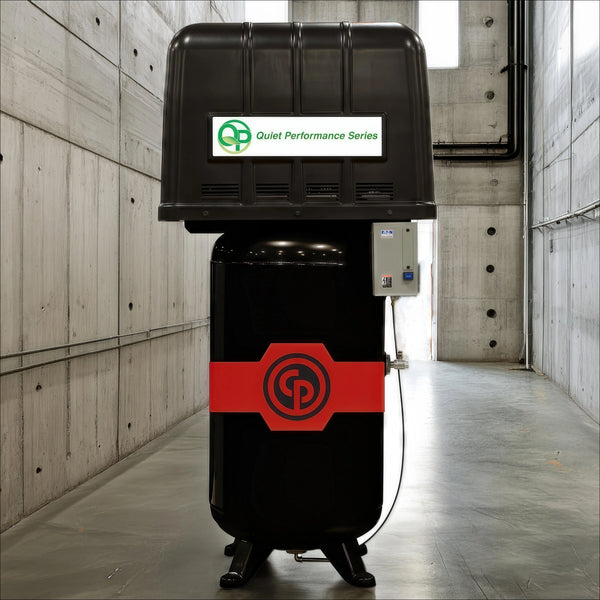 Sale Chicago Pneumatic RCP Quiet-Enclosed Two-Stage Air Compressor $5,949.00
Regular price $7,437.00Add to cart -
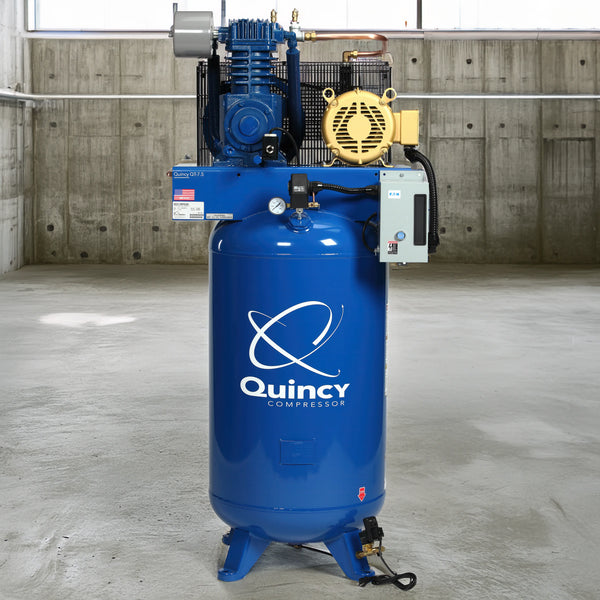 Sale Quincy QT Two Stage Piston Air Compressor $3,299.00
Regular price $4,899.00Add to cart -
 Sale Champion Airstation R-Series Horizontal Simplex Piston Air Compressor $7,150.00
Regular price $13,325.00Add to cart -
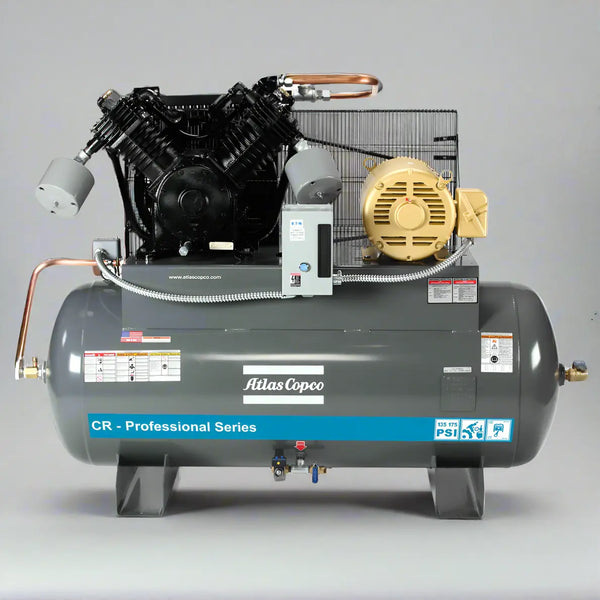 Sale Atlas Copco CR Cast-Iron Piston Professional Series Air Compressor $3,504.72
Regular price $4,380.90Add to cart -
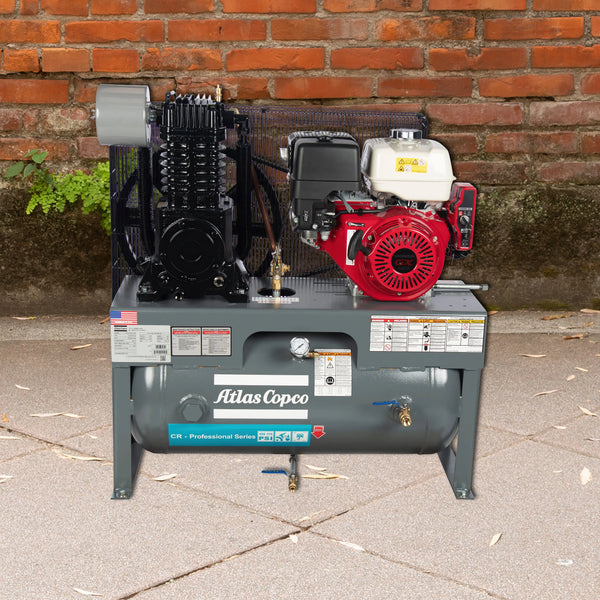 Sale Atlas Copco 13 HP CR Gas-Powered Cast-Iron Piston Air Compressor $3,833.16
Regular price $4,791.45Add to cart -
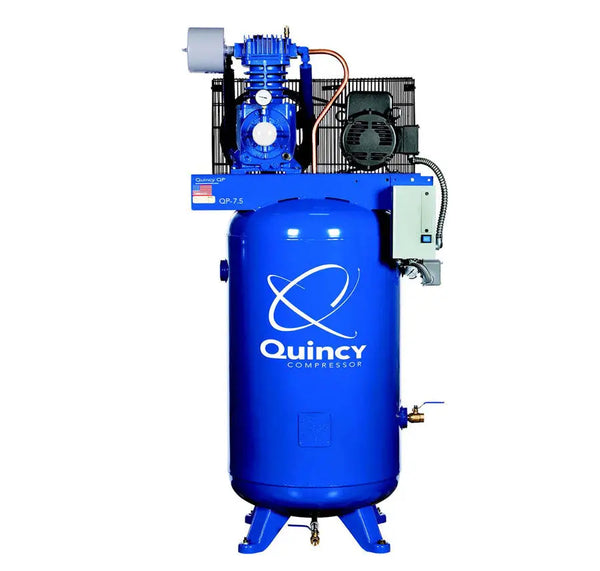 Sale QP Series Pressure Lubricated Reciprocating Compressor By Quincy $4,538.00
Regular price $6,216.00Add to cart -
 Sale Champion 2 HP RV Series Splash Lubricated Electric Stationary Reciprocating Air Compressor $3,110.00
Regular price $5,797.00Add to cart -
 Sale Champion 3 HP RV Series Splash Lubricated Electric Stationary Reciprocating Air Compressor $3,145.00
Regular price $5,862.00Add to cart -
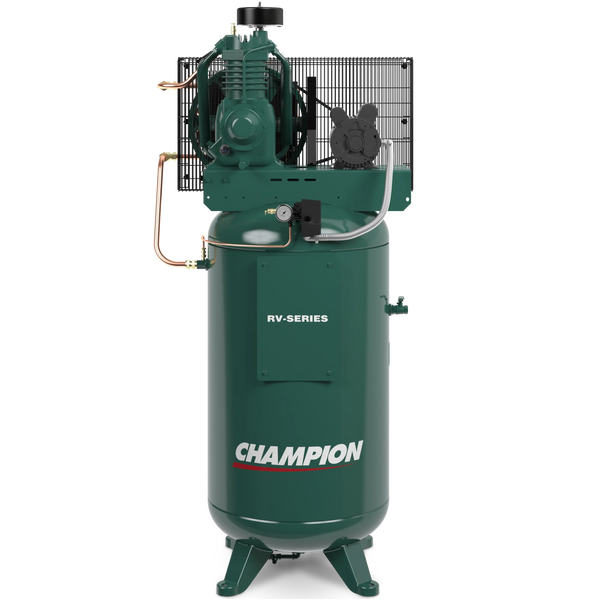 Sale Champion 5 HP RV Series Splash Lubricated Electric Stationary Reciprocating Air Compressor $3,167.00
Regular price $5,903.00Add to cart -
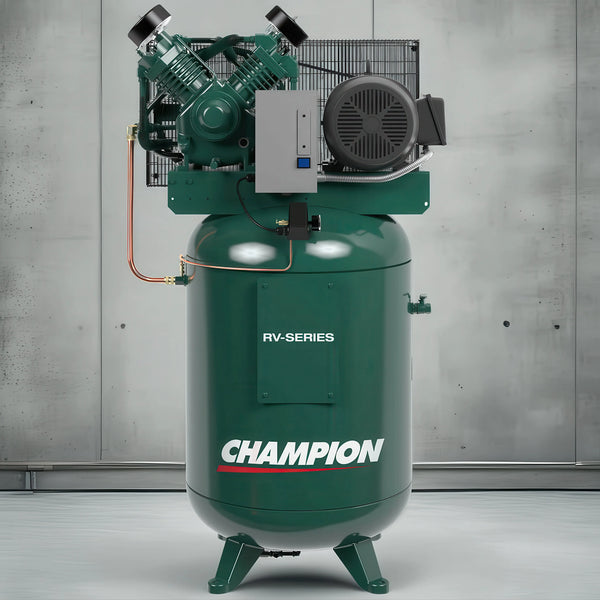 Sale Champion 10 HP RV Series Splash Lubricated Electric Stationary Reciprocating Air Compressor $6,059.00
Regular price $11,293.00Add to cart -
 Sale Champion 15 HP RV Series Splash Lubricated Electric Stationary Reciprocating Air Compressor $6,960.00
Regular price $12,972.00Add to cart -
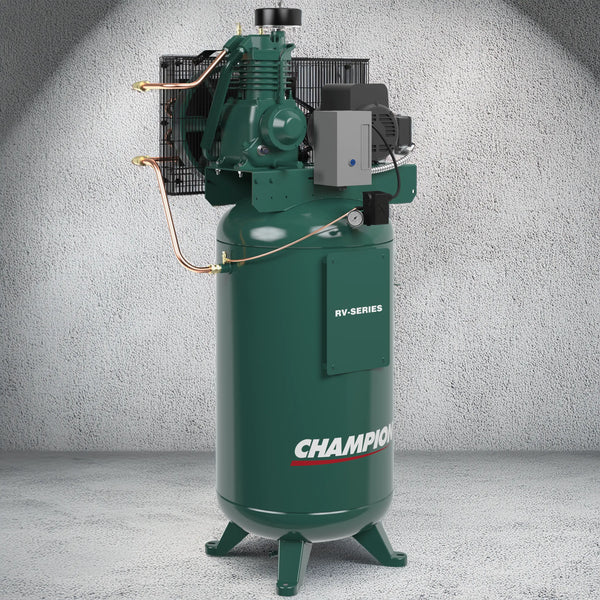 Sale Champion 7.5 HP RV Series Splash Lubricated Electric Stationary Reciprocating Air Compressor $3,713.00
Regular price $6,921.00Add to cart -
 Sale Chicago Pneumatic RCP Two-Stage Gas-Engine Piston Air Compressor $3,102.00
Regular price $3,877.00Add to cart -
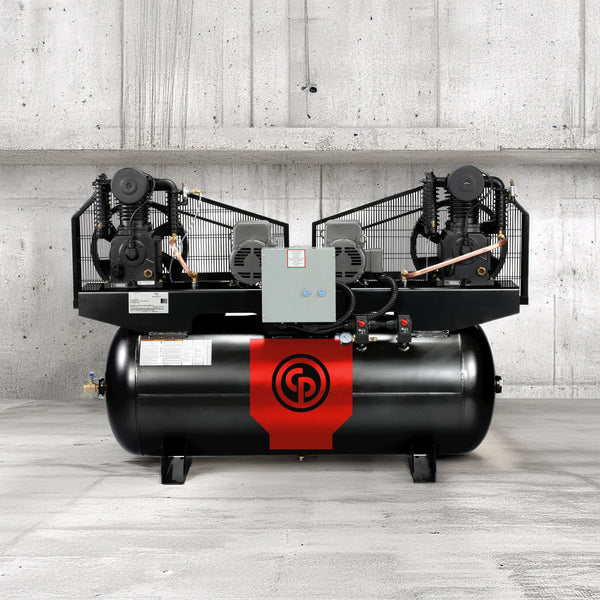 Sale Chicago Pneumatic RCP-C Iron Duplex Two-Stage Air Compressor $8,591.00
Regular price $10,738.00Add to cart -
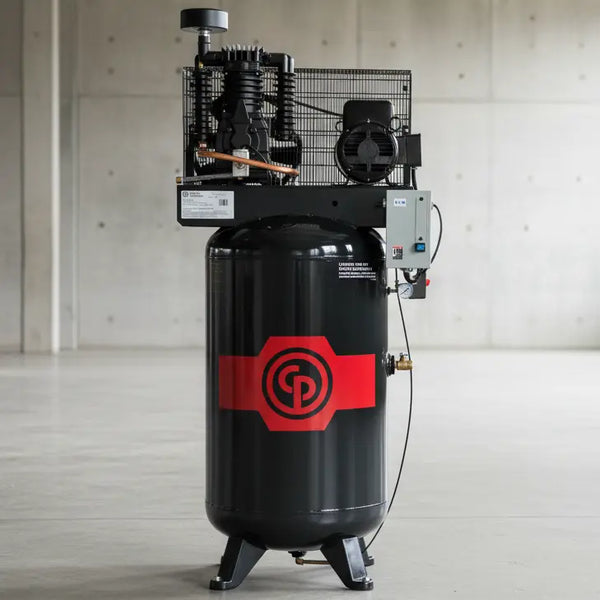 Sale Chicago Pneumatic RCP-C Iron Series Two-Stage Air Compressor $3,338.00
Regular price $4,173.00Add to cart -
 Sale Quincy QT Series Duplex Piston Air Compressor - PRO & MAX $7,934.00
Regular price $10,869.00Add to cart -
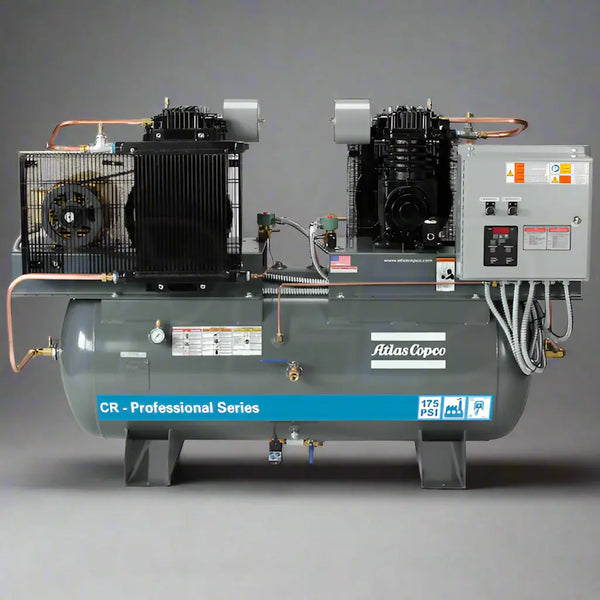 Sale Atlas Copco CR Duplex Cast-Iron Piston Professional Series Air Compressor $9,680.82
Regular price $12,101.02Add to cart -
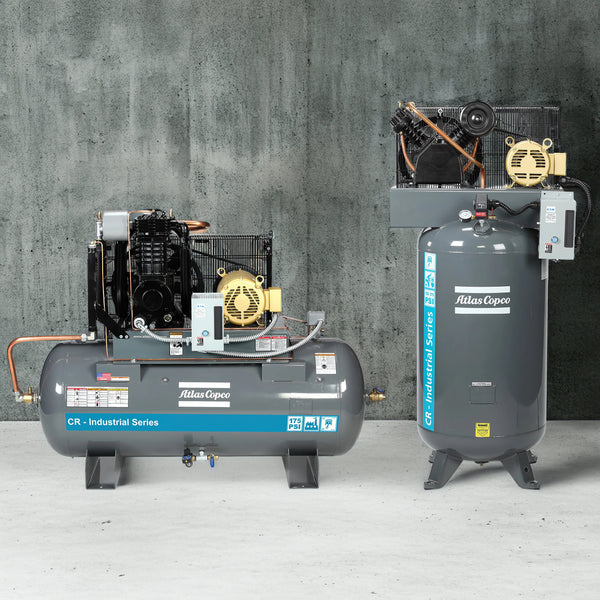 Sale Atlas Copco CR Cast-Iron Piston Industrial Series Air Compressor $4,701.18
Regular price $5,876.48Add to cart -
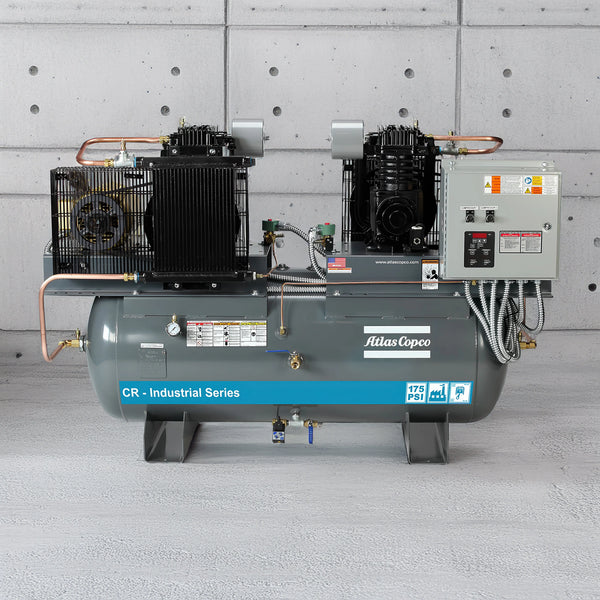 Sale Atlas Copco CR Duplex Cast-Iron Piston Industrial Series Air Compressor $10,323.42
Regular price $12,904.27Add to cart -
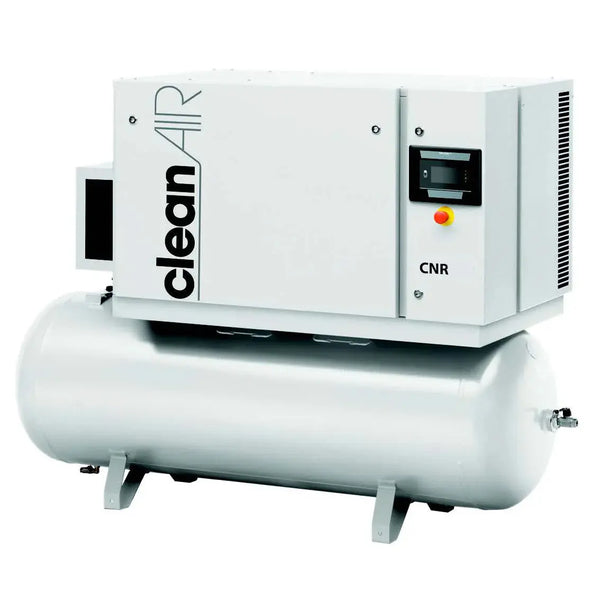 Sale Chicago Pneumatic CleanAIR CNR Oil-Free Two-Stage Piston Air Compressor, 7.5-10 HP, 24-35.2 CFM, 145 PSI | CNR 75 / CNR 100 $12,324.00
Regular price $15,948.00Add to cart -
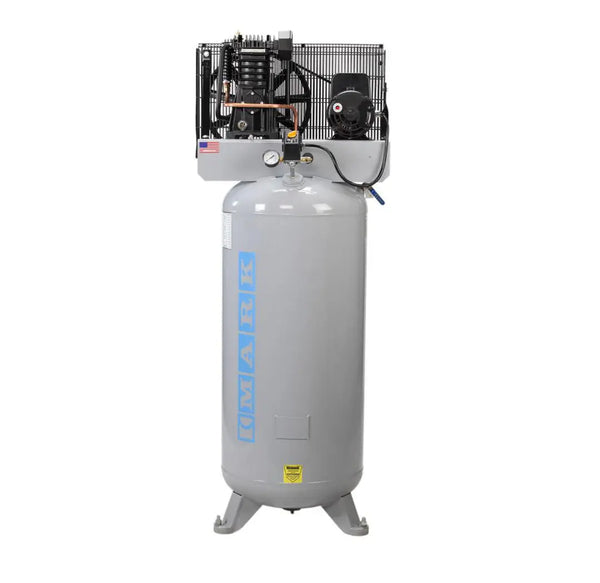 Sale IronAir Series Tank Mounted Cast Iron Reciprocating Air Compressor By Mark $3,881.00
Regular price $3,920.00Add to cart


A two stage piston compressor makes 175 PSI. A single stage stops around 135 to 155. That one number decides most of these purchases. The second number is CFM, and a good two stage cast iron pump puts out roughly 3.5 to 4 CFM per horsepower at 175 PSI.
Already know your motor size? Go straight to piston air compressors under 5 HP, 5 to 7.5 HP piston air compressors or 10 HP and above piston air compressors.
Single stage or two stage
Single stage compresses in one stroke. Fine for a home garage, a cabinet shop, tire work, a nailer and the occasional impact wrench. Two stage compresses twice with an intercooler between the cylinders, so it runs cooler and holds CFM up at pressure instead of falling off. The crankshaft and cylinder mechanics are here if you want them. If the compressor runs more than an hour or two a day, buy two stage and stop thinking about it.
Where a piston stops
Duty cycle. Industrial two stage pistons are built for about 60 to 75 percent run time in an hour, and the rest is cooldown. If one tool runs continuously and eats more than roughly 60 percent of the pump's rated CFM, you're past what a piston does well and you want a rotary screw. A 6 inch random orbital sander pulls 12 to 18 CFM and doesn't stop. One of those on a 5 HP machine works. Two does not, and we'd rather say so up front than rebuild the pump for you in two years.
The other trap is 120V. A compressor on a 15 amp household circuit is capped near 2 HP of real output whatever the carton claims. Anything above that wants 230V or three phase. And size by CFM at your working pressure, not by tank gallons: the receiver tank buys seconds, the pump does the work.
Comparing specs in bar, litres per minute or kilowatts? The unit converter puts them in psi, CFM and HP, and the pump-up test calculator will tell you whether your current machine is worn or just undersized.


