


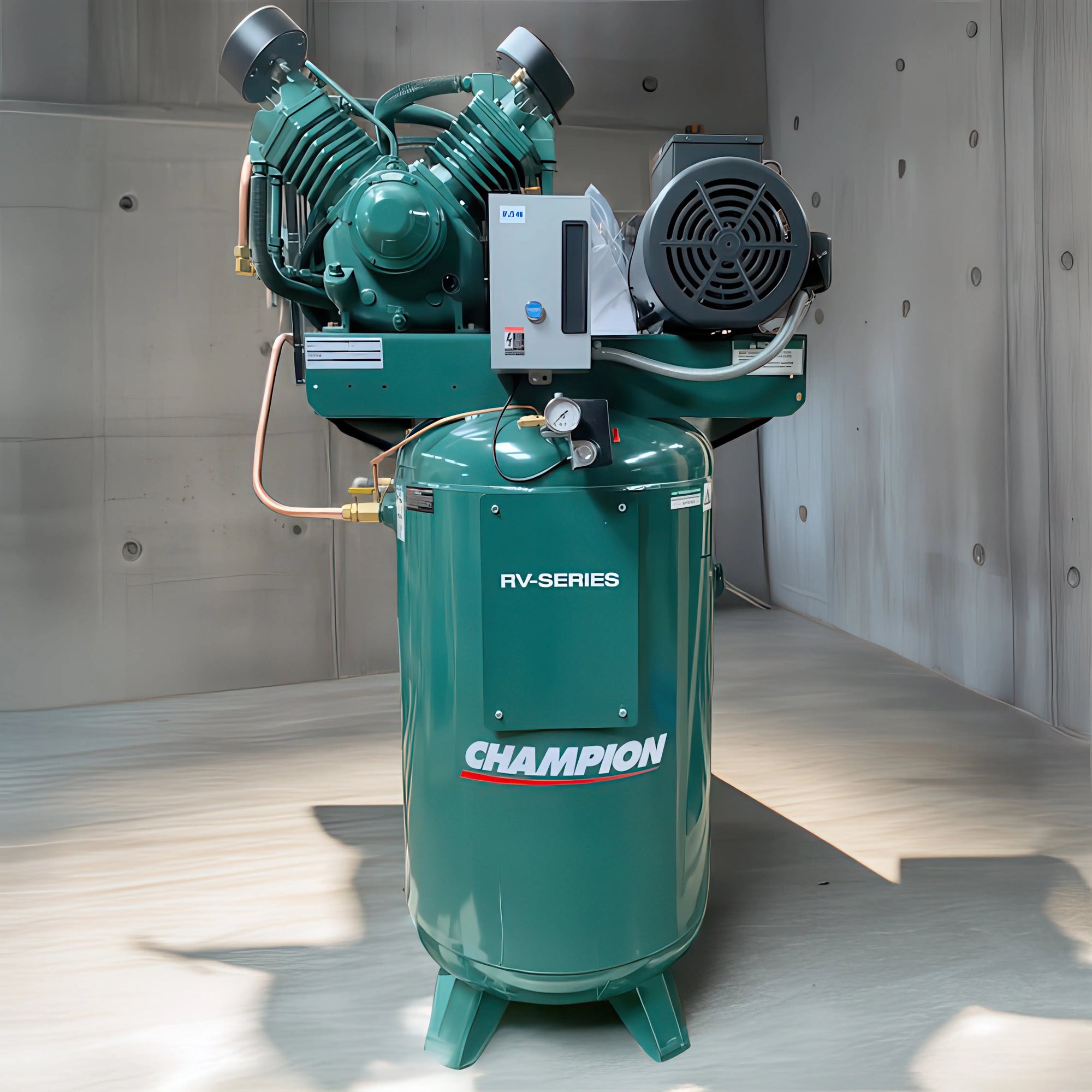
Reciprocating piston air compressors remain a cornerstone technology in many industrial and commercial compressed air systems throughout the United States. If you need a reliable way to compress air and generate high-pressure output for your home garage, light professional shop, or industrial facility, understanding how these compressors work can help you optimize your processes and maintenance routines. This article explores the design, operation, key benefits, and practical considerations of reciprocating piston air compressors, providing you with essential technical insights and guidance for selecting the right compressor for your needs.
Understanding Reciprocating Piston Air Compressors
Reciprocating piston air compressors, often called piston compressors or reciprocating compressors, are positive displacement compressors that compress air by mechanically reducing its volume. They employ a piston moving back and forth inside a cylinder to compress air and generate high pressure output. These compressors are widely used across industries—ranging from automotive shops and small manufacturing plants to oil and gas facilities—due to their versatile performance in compressing air for pneumatic machines, air brakes, and process systems.
By design, these compressors convert rotational motion into reciprocating motion to trap and compress air efficiently, making them vital components in many compressed air systems. For more information on available models, you can explore piston air compressors designed for various applications.
Basic Design and Components of a Piston Air Compressor
The core parts of a piston air compressor include the piston, cylinder, crankshaft, valves, crankcase, and connecting rods. The piston-cylinder assembly forms the compression chamber where air is compressed. The piston moves within the cylinder, driven by a rotating crankshaft connected via the connecting rod, converting rotary motion into reciprocating motion.
Valves control the intake and exhaust of air within the cylinder, ensuring efficient compression cycles. Single-stage compressors compress air in one cylinder, while two-stage models use two cylinders sequentially to achieve higher pressures with improved efficiency. Durable materials like cast iron construction are common in cylinders and pistons to withstand high pressure and reduce wear.
For high-quality piston compressors, including both single-stage and two-stage designs, consider reputable options such as 5 to 15 hp piston air compressors.
How Reciprocating Piston Air Compressors Work
The operation of reciprocating piston air compressors is based on the positive displacement principle and a reciprocating motion cycle:
- Suction stroke: The piston moves down inside the cylinder, creating low pressure that draws air through the intake valve into the compression chamber.
- Compression stroke: As the piston moves back up, it decreases the volume of the compression chamber, raising air pressure.
- Discharge: Once the air reaches the desired pressure, the discharge valve opens, releasing the high-pressure air to either a storage tank or immediate use in pneumatic systems.
The crankshaft's continuous rotation controls piston movement, ensuring consistent compression cycles. In single-acting compressors, compression occurs on one side of the piston, while double-acting models compress air on both sides, increasing output efficiency.
For deeper technical details, manufacturers like Atlas Copco Pistons provide excellent resources on compressor technology and operation.
Variants of Reciprocating Piston Compressors
Reciprocating piston compressors come in various forms designed to meet specific air quality and pressure requirements. Common variants include oil-lubricated and oil-free models. Oil-lubricated compressors provide reliable cooling and reduced wear but may risk contamination, which is unacceptable in applications requiring clean air. Oil-free piston compressors eliminate this risk, offering zero contamination and lower maintenance costs.
Single-stage compressors perform well for lower pressure needs, while two-stage or multistage reciprocating compressors deliver high-pressure output for demanding industrial applications. Pressure-lubricated piston air compressors are built for heavy-duty use with enhanced longevity.
Advantages of Piston Compressor Technology
Piston compressors are economical, reliable, and widely accessible. They feature a relatively simple mechanical design that is easy to maintain, with spare parts readily available and experienced service technicians familiar with their upkeep. This makes them ideal for intermittent duty applications where high pressure output capability is essential.
They offer compatibility with a range of gases beyond compressed air, such as nitrogen and compressed natural gas, enhancing their versatility. Their proven technology delivers high efficiency and a long compressor lifespan, benefiting operations needing dependable high-pressure air.
Disadvantages and Limitations of Reciprocating Compressors
Despite their benefits, reciprocating compressors generate significant noise and vibration due to their reciprocating piston motion. They also produce heat that must be managed, often requiring cooling systems. When running continuously, these compressors demand intensive maintenance, addressing parts wear like piston rings and valves.
Larger multi-stage piston compressors can be bulky and heavy, which may not suit all installation environments. In addition, for applications requiring ultra-quiet operation or continuous high-volume air delivery, piston compressors might be less efficient or practical than alternatives like rotary screw compressors.
Key Applications for Reciprocating Piston Air Compressors
Reciprocating piston air compressors are widely used in automotive shops, manufacturing plants, oil refineries, chemical processing, and natural gas production. Specialty uses include dental air compressors, blowing of polyethylene terephthalate (PET) bottles, and railway air brake systems.
Their compact footprint and affordable pricing make them attractive to small and medium enterprises. Their capability to handle intermittent duty and perform well in harsh or variable environments further broadens their application scope.
Piston Compressor Efficiency and Performance Considerations
Volumetric efficiency is a key performance metric affected by valve design, piston seal quality, and intake conditions. Multi-stage compression with high-efficiency intercoolers can improve compressor efficiency by reducing discharge temperatures and increasing overall pressure ratios.
Selecting the right compressor based on required pressure and flow ensures optimal energy consumption and long-term performance. Generally, piston compressors have higher energy demand per unit of air compressed compared to screw compressors but excel in certain duty cycles.
Maintenance Tips for Reciprocating Piston Air Compressors
Regular maintenance keeps piston air compressors running reliably. Routine checks include monitoring lubricating oil levels, inspecting valves, and cleaning or replacing air filters. Piston ring condition, belt tension, and crankcase cleanliness should be verified periodically.
Maintenance frequency depends on operating hours and environmental conditions. Troubleshoot common issues such as valve failure and air leaks promptly to avoid performance loss. Professional servicing helps extend compressor lifespan and ensures high air quality and efficiency.
Selecting the Right Reciprocating Piston Air Compressor for Your Needs
Start by evaluating your required pressure, flow rate, duty cycle, and air quality. Oil-free compressors suit applications demanding clean dry air, while oil-lubricated units provide durability for heavy industrial use. Consider size, noise levels, and installation space. Consulting manufacturers or experts can help align compressor specifications with your operational needs and budget.
For trusted choices, explore Champion Piston Air Compressors known for durability and reliable performance.
Frequently Asked Questions about Reciprocating Piston Compressors
What is a piston air compressor? It is a positive displacement compressor that uses a piston moving within a cylinder to compress air mechanically, generating high-pressure output for various applications.
What are the disadvantages of piston compressors? They produce considerable noise and vibration, require intensive maintenance in continuous operations, and can be bulky in larger models.
What are the advantages of piston compressors? They are economical, reliable, easy to maintain, capable of high-pressure output, and compatible with various gases.
Who is the manufacturer of piston air compressors? Many companies produce piston compressors, including renowned brands such as Atlas Copco and Champion, offering a wide variety of piston compressor products for different industries.


