


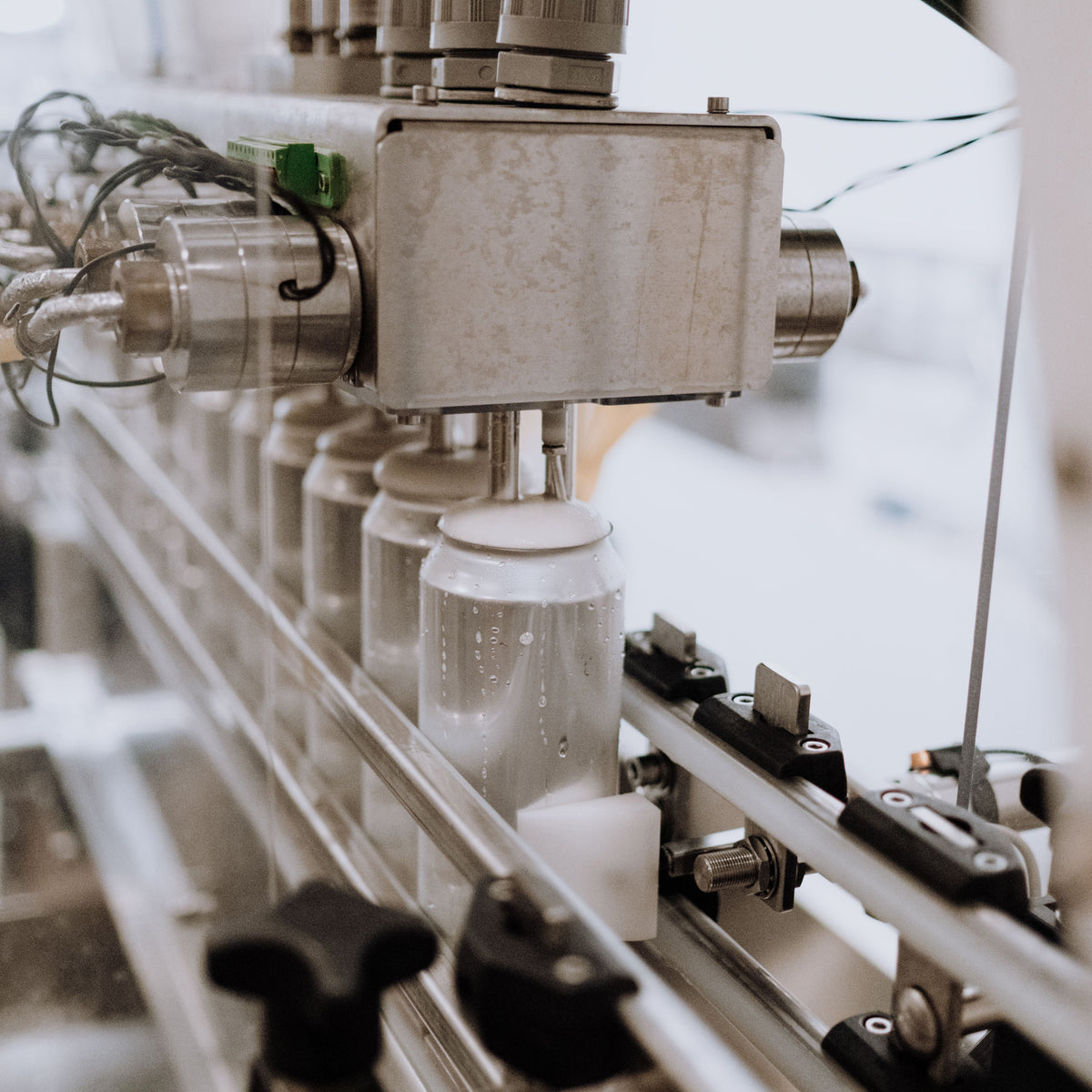
A retort operator hits start on a load of pouches. Steam comes up, the vessel reaches temperature, and the cycle moves into the phase where the controller calls for overpressure. If the plant air sags right then, the pressure inside the retort falls behind the pressure the process calls for. The cycle logs a deviation, and a pallet of product sits on hold while somebody decides what to do with it.
That is the moment that defines compressed air for canneries. Most of the plant runs on a modest, steady supply. A few seconds of the day are brutal.
Why a cannery is not a typical food plant
Canneries and retort plants sit under a different set of rules than a bakery or a snack line. Low-acid canned foods are regulated by FDA under 21 CFR Part 113, with acidified foods under Part 114 and the registration rules in Part 108. Meat and poultry canning falls to USDA FSIS and its canning rules. In every case the point is the same: the process, filed with and reviewed by a process authority, has to be delivered exactly as written, and every deviation has to be documented.
Air plays two roles in that picture. It is the utility behind the equipment that makes the process happen, and in a few places it touches the container itself. Both roles have to be reliable and clean.
Where the air goes
| Step | What uses air | What matters |
|---|---|---|
| Depalletizing and unscrambling | Cylinders, blow-off and conveyors | Steady pressure; dry air in a humid room |
| Container rinse and blow-off | Air blast on the empty can, jar or pouch before fill | Air touches the inside of the container, so oil and water count |
| Filling and closing | Filler cylinders, valve actuation, lid and cap feeders | Clean instrument air, no oil mist near the product |
| Retort loading | Pneumatic loaders, door and vessel valves | Dry instrument air, because valves hate water |
| Retort cook and cool | Overpressure control and pneumatic control valves | Burst demand, pressure that holds |
| Cooling, drying and packing | Blow-off nozzles for container drying, labelers, case packers | Moisture control and energy waste |
A note on honesty: we do not sell retorts, seamers or fillers, and the overpressure setpoint for your product comes from your filed process, not from us. What we build is the air system behind them.
The retort burst, and how to feed it
Overpressure retorts, the kind used for pouches, glass jars and plastic containers, hold container pressure above the saturation pressure of the steam so the package does not distort or burst. The air comes from plant air or a dedicated supply. The demand is not steady. It spikes when the controller calls for pressure and again when the vessel is vented and cooled.
Feeding that spike from the compressor alone means buying a compressor sized for something it does only a few minutes a day. The cheaper answer is storage. A dedicated receiver, isolated from the main header with a check valve, fills slowly between cycles and releases air quickly when the retort calls for it.
The sizing formula is the standard one for storage: receiver volume in cubic feet equals the air you need to draw in standard cubic feet, times 14.7, divided by the pressure drop you will accept in the tank in psi. As a worked example only, assume a retort draws 400 standard cubic feet during its overpressure phase and you will accept a 20 psi drop in the receiver. That is 400 times 14.7 divided by 20, or about 294 cubic feet, close to 2,200 gallons. Your real number depends on the retort volume, the load and the set pressure. Ask the retort maker for the actual air draw and run the calculation with that. Our guide on properly sizing compressed air storage walks through the method, and the air receiver tank collection has the stock sizes.
One rule: any tank in this service should carry an ASME stamp, be rated above your highest regulated pressure and be drained and inspected on a schedule. A tank with a wet bottom corrodes from the inside, and a plant that hangs its audit on retort records cannot afford a tank inspection finding.
Air that touches the container
Most cannery air never reaches the food. The exception is the blast of air used to clean or dry empty containers before filling, and the air used to dry cans and jars on the way out of the cooling canal. If air touches the inside of a container, treat it as a product contact point.
Third-party audit schemes like BRCGS, SQF and FSSC 22000 expect you to have assessed compressed air as a hazard, and they typically point to ISO 8573-1 as the language for the spec. We unpack what auditors ask in our food grade compressed air guide. For can and jar blow-off, we recommend a coalescing filter pair feeding an activated carbon stage, downstream of a dryer that holds a pressure dew point well below the coldest pipe temperature in the plant. Pick the exact ISO classes with your food safety team, because your hazard analysis decides them, not us. If an audit or customer demands zero oil risk, move to an oil-free compressor.
Start the treatment train with a coalescing filter, put a dryer upstream of it and keep the whole thing in a clean, ventilated room. The sequence is covered in our ISO 8573-1 decoder.
Wet rooms, hot rooms
A cannery is humid. Retort rooms are hot and wet, cooling canals throw off moisture and washdown is daily. That affects the air system in three ways:
- Intake. Do not let the compressor pull air from the retort room. Hot, wet intake air means more water to remove and a hotter machine. Duct the intake from a cooler, drier spot, ideally outside.
- Dew point. A refrigerated dryer is fine if every pipe stays inside the plant. If any line runs through a cold warehouse or an unheated dock, you need a pressure dew point at least 20 F below the coldest temperature that pipe will see. That usually means a desiccant dryer.
- Corrosion. Washdown and steam attack galvanized pipe from the outside. Stainless or aluminum pipe and sealed fittings last longer. Our aluminum air pipe is a common choice for dry areas of the plant.
Sizing the compressor
Count the continuous users first: filler cylinders, conveyors, blow-off nozzles and labelers. That is your base load, and a rotary screw compressor sized to the base load plus a margin is the right machine. Handle the retort bursts with storage, not with horsepower. If the plant runs several shifts, use two machines so one can be down for service without stopping a retort cook, since a failed cycle is far more expensive than a spare compressor. See our pipe sizing guide once you know the flow, because long runs to the retort room can eat the pressure you thought you had.
Blow-off nozzles deserve a second look. Open pipe blowing container tops dry is the biggest silent consumer of air in many plants. Engineered nozzles do the same job with a fraction of the air and a lot less noise.
Mistakes we see in canneries
- Feeding the retort overpressure from the same header as the fillers, then watching the fillers stall at every cook.
- Putting a refrigerated dryer on a line that crosses an unheated area, and finding ice in the instrument air.
- Treating can blow-off air like shop air, with no coalescing or carbon stage.
- Skipping receiver inspections, or putting an unstamped tank in service.
- Letting the compressor draw hot, humid air from the retort room.
Frequently Asked Questions
Does the air in a retort touch the food?
In an overpressure retort the air surrounds the container, not the product inside it. The risk is to the container and the process records, not to the contents. The air that blows into an empty container before filling is different, and that should be treated as a product contact point.
Can plant air feed retort overpressure?
Yes, when the supply is dry, regulated and backed by enough storage. The retort's demand is intermittent and large, so a dedicated receiver on its own branch is the safe way to do it.
What regulations apply to a cannery's compressed air?
The air itself is not named in 21 CFR Part 113, but the process is, and equipment that supports it has to perform reliably and be documented. Audit schemes like BRCGS and SQF add compressed air to the hazard analysis and generally use ISO 8573-1 for the spec.
Is oil-free air required?
Not by FDA rule. Oil-free is the lowest-risk option for container blow-off. A lubricated compressor with coalescing and carbon filtration and a documented monitoring program also passes in many plants.
If you are building or fixing compressed air for canneries, start with the receiver that carries your retort bursts, then work outward to dryers and filtration. Compare with meat and fish lines in meat and poultry processing and seafood processing.


