


Some filters could not be applied and were reset.
-
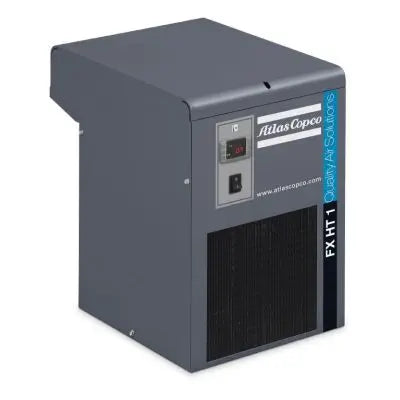 Sale FX HT15-60 High-Temperature Refrigerated Air Dryer By Atlas Copco $2,125.00
Regular price $3,400.00Add to cart -
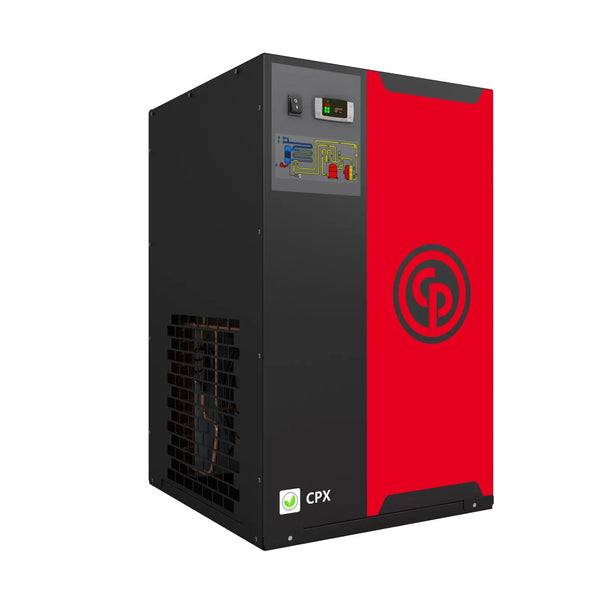 Sale CPXHT Refrigerated Air Dryer By Chicago Pneumatic $2,156.00
Regular price $2,695.00Add to cart -
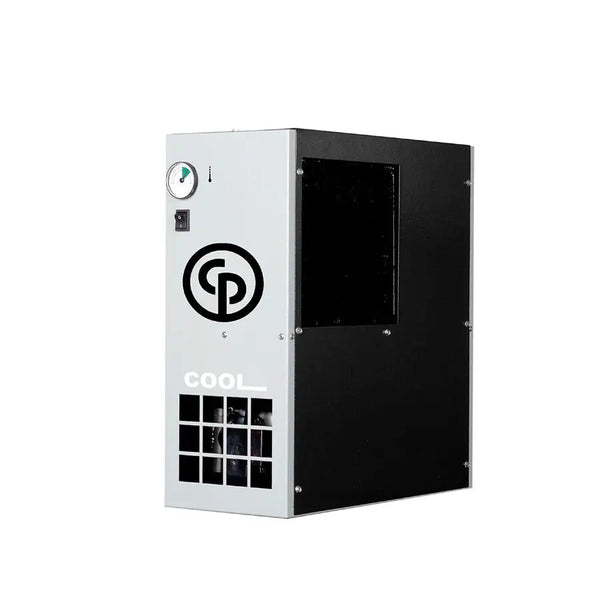 Sale COOL Non-Cycling Refrigerated Air Dryer By Chicago Pneumatic $1,170.35
Regular price $1,817.00Add to cart -
 Sale NDL Heatless Modular Desiccant Air Dryer With Integrated After Filter By Nano $1,654.40
Regular price $2,068.00Add to cart -
 Sale NDM Pneumatic Heatless Modular Desiccant Air Dryer with Integrated After Filter By Nano $7,632.00
Regular price $9,540.00Add to cart -
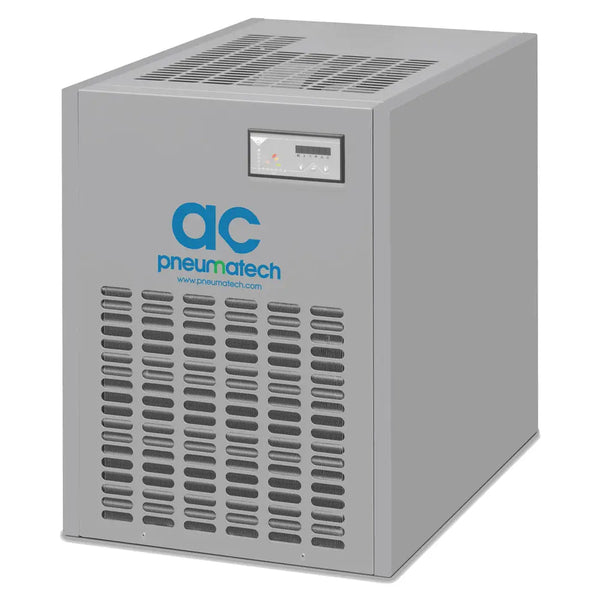 Sale AC Cycling Refrigerated Air Dryer By Pneumatech $1,780.00
Regular price $2,162.00Add to cart -
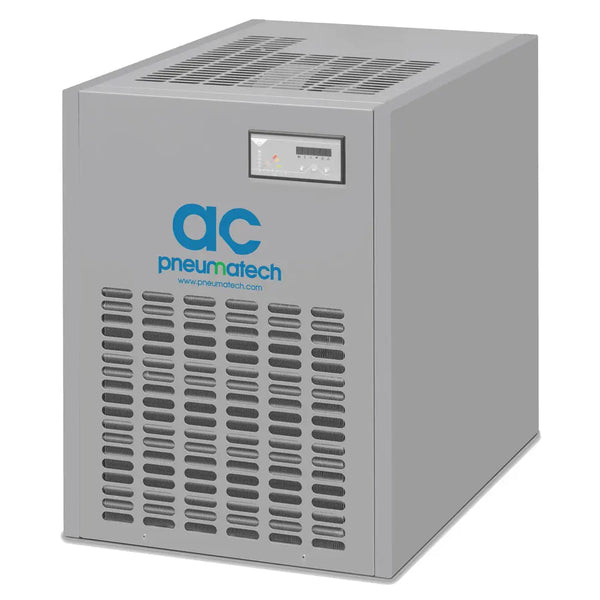 Sale AC Variable Speed Cycling Refrigerated Air Dryer By Pneumatech $7,065.00
Regular price $10,296.00Add to cart -
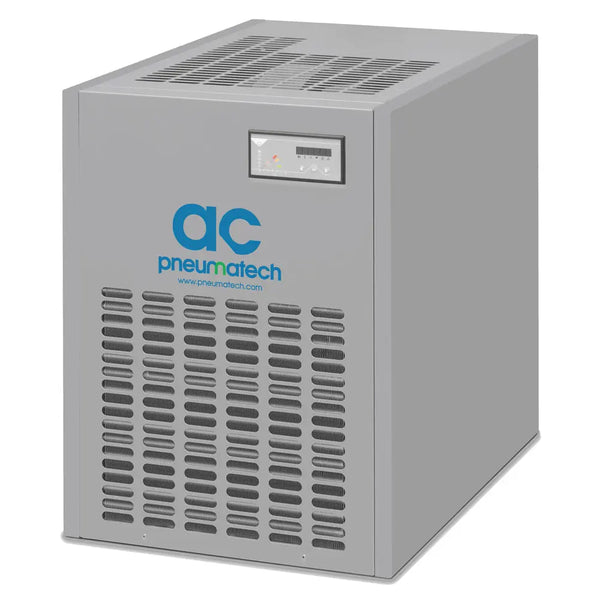 Sale AC Large Cycling Refrigerated Air Dryer by Pneuematech $17,990.00
Regular price $21,244.00Add to cart -
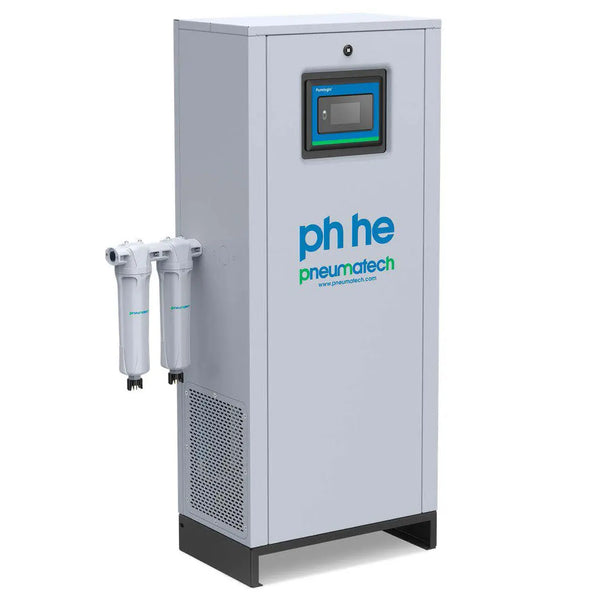 PH-HE High-Efficiency Heatless Desiccant Air Dryer With Purelogic Touch Dewpoint Control NEMA4 and Dual Prefilters By Pneumatech $12,232.00 Add to cart
-
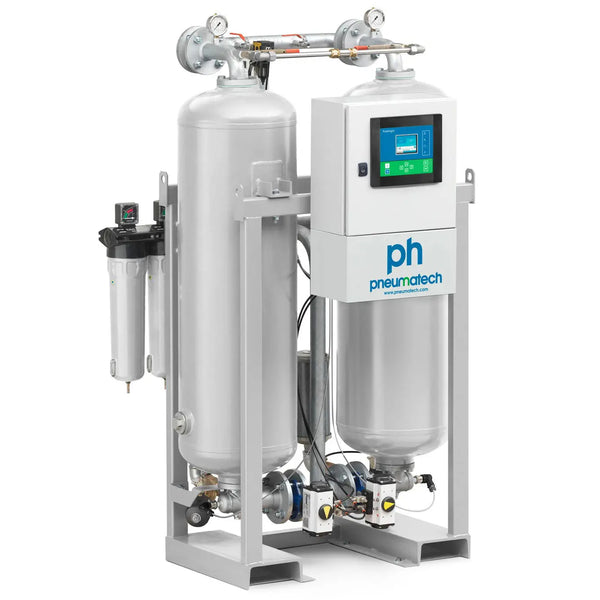 Sale PH S Extruded Profile Heatless Adsorption Dryer By Pneumatech $5,467.20
Regular price $6,834.00Add to cart -
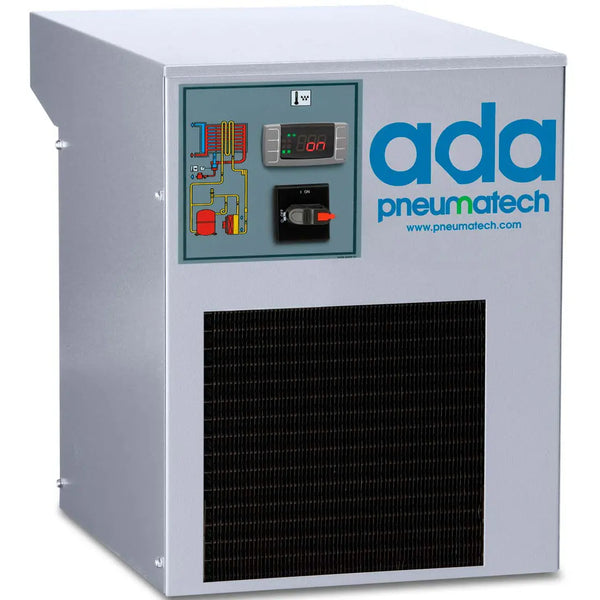 Sale ADA Non-Cycling Hi-Temp Refrigerated Air Dryer By Pneumatech $2,320.00
Regular price $2,984.00Add to cart -
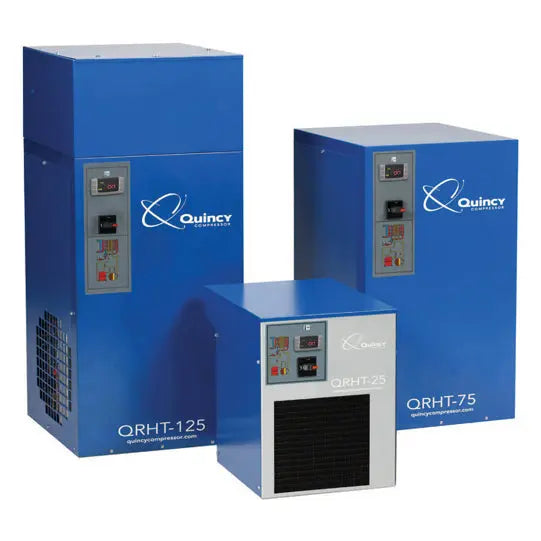 Sale QRHT High Temperature Refrigerated Dryer By Quincy $3,065.00
Regular price $3,606.00Add to cart -
 QPNC Non-Cycling Refrigerated Dryer By Quincy $1,635.00 Add to cart
-
 Sale COOL Non-Cycling Refrigerant Dryer By Quincy $1,080.00
Regular price $1,270.00Add to cart -
 Sale QCMD Modular Heatless Desiccant Dryer by Quincy Compressor $2,422.26
Regular price $3,485.82Add to cart -
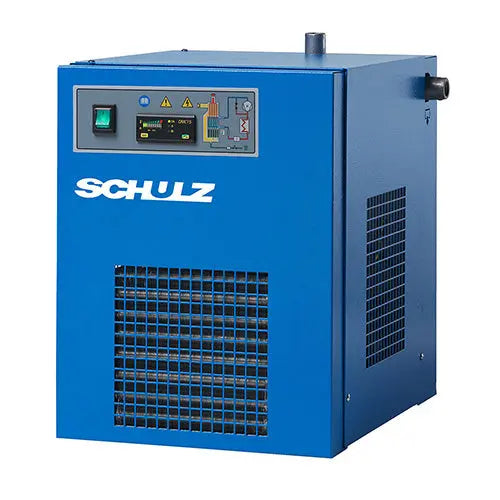 Sale Schulz Non-Cycling Refrigerated Air Dryer $1,794.00
Regular price $3,050.00Add to cart -
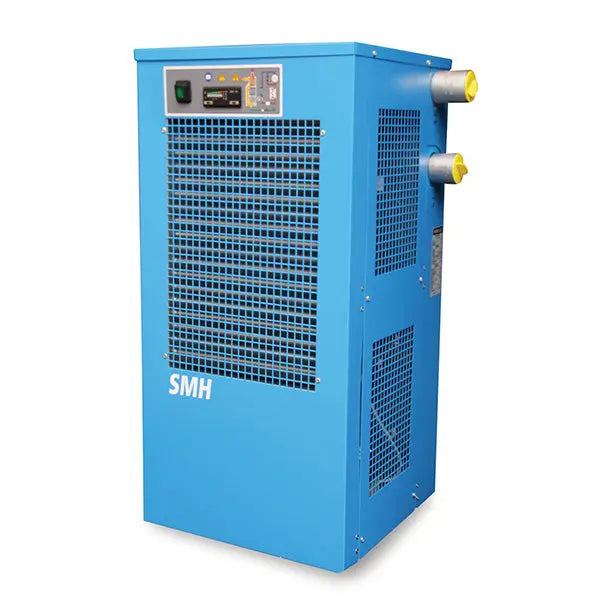 Sale Schulz SMH High Temperature Air Dryers $2,489.00
Regular price $4,232.00Add to cart -
 Sale Arrow Pneumatics D7612 2-Stage Coalescing Filter & Desiccant Dryer Combo — 1/2" NPT, 15 CFM $339.00
Regular price $508.00 -
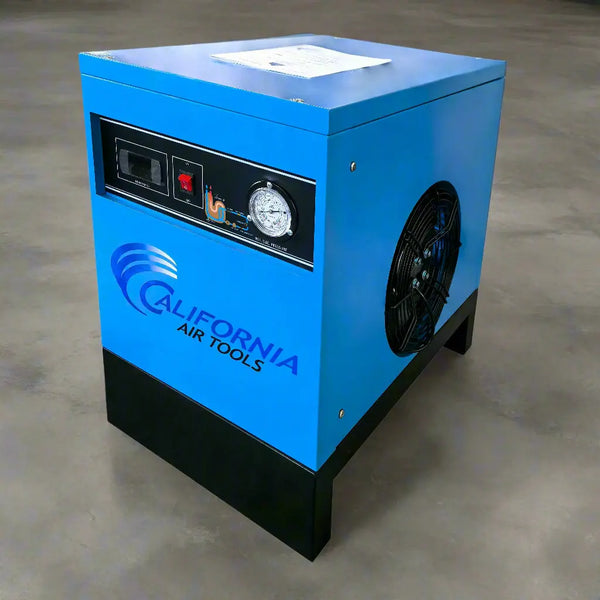 Sale 98% Non-Cycling Refrigerated Air Dryer - California Air | CAT-RD-91502 $1,625.00
Regular price $2,031.00 -
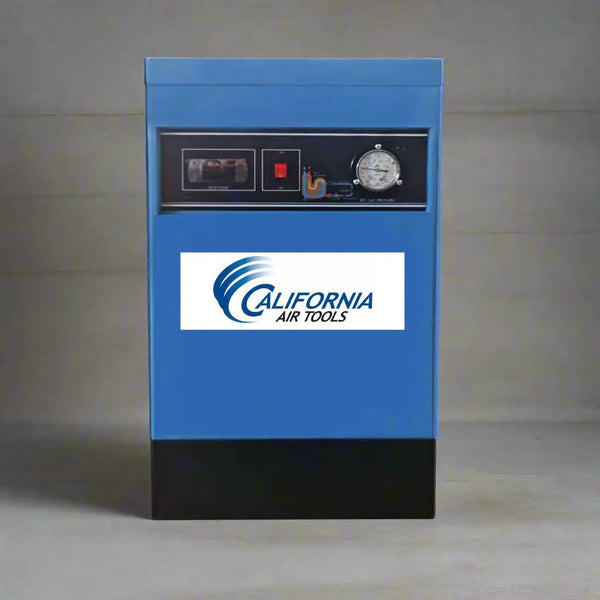 Sale 98% Non-Cycling Refrigerated Air Dryer, 220V - California Air | CAT-RD-91503 $852.00
Regular price $1,065.00 -
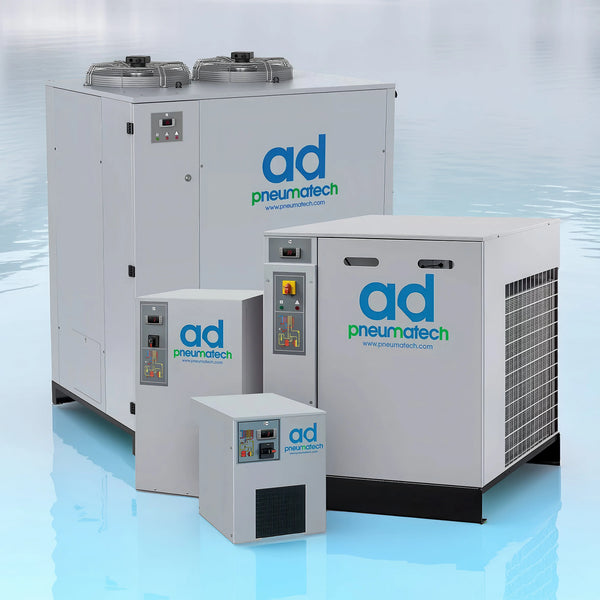 Sale Pneumatech AD Non-Cycling Refrigerated Air Dryer $1,570.00
Regular price $2,141.00Add to cart -
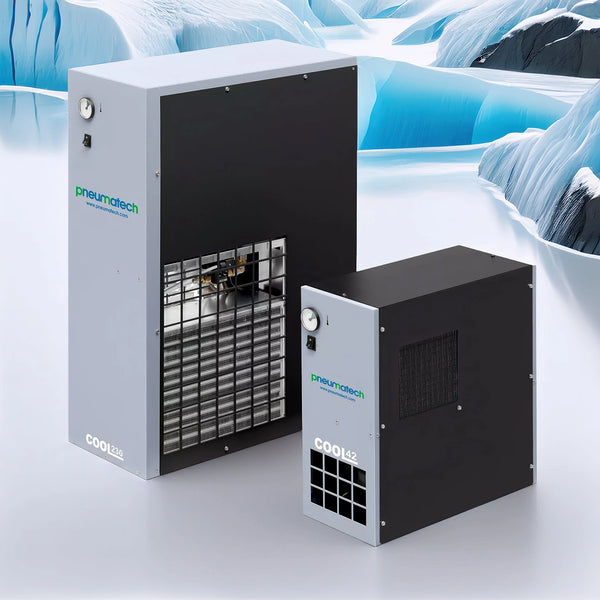 Sale Pneumatech COOL Non-Cycling Refrigerant Dryer $1,070.00
Regular price $1,447.00Add to cart -
 Sale Nano TMC Thermal-Mass Cycling Refrigerated Air Dryer $2,600.00
Regular price $3,082.00Add to cart -
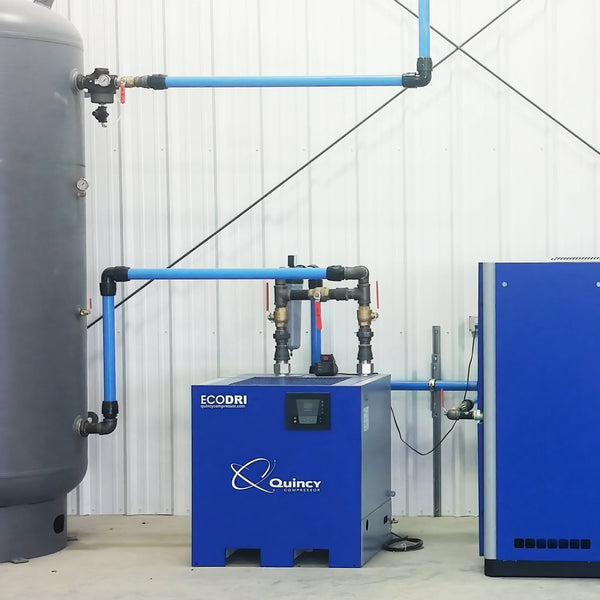 Sale Quincy QED Eco-Dri Cycling Refrigerated Dryer $1,958.40
Regular price $2,391.90Add to cart


A compressor pulling 100 degree F air at high humidity drops roughly 20 gallons of water per 100 CFM over an eight hour shift. All of it ends up in your piping, your tools and your paint unless something takes it out first.
A refrigerated dryer chills the air to about 38 degrees F and holds the pressure dew point at the same number. That covers any system where the pipe stays above 38 degrees, which is most indoor shops. It is cheaper to buy, cheaper to run, and the only real maintenance is a condensate drain that actually works.
A desiccant dryer gets you to minus 40 degrees F, and you need it when the pipe runs outdoors where it freezes, when the air feeds powder coating, paint, pharmaceutical or food packaging equipment, or when a control spec calls for it. The price is purge air: a heatless desiccant dryer burns 15 to 20 percent of its rated flow to regenerate, so a 200 SCFM unit quietly takes 30 to 40 SCFM back off your compressor. Heated and blower purge designs cut that down and add a heater to maintain.
Where sizing goes wrong
Dryer capacities are published at 100 degrees F inlet, 100 degrees F ambient and 100 PSIG. Feed one 120 degree air, or run the line at 80 PSIG, and real capacity falls 20 to 40 percent. Correct for your actual conditions before you pick a model. Above 104 degrees F inlet a standard refrigerated dryer is simply out of range, so add an aftercooler or go high temperature.
Our articles on pressure dew point and dryer types work through the math. If your process calls for ISO Class 3 air or better, stop reading about refrigerated units. They top out at Class 4.


