


Some filters could not be applied and were reset.
-
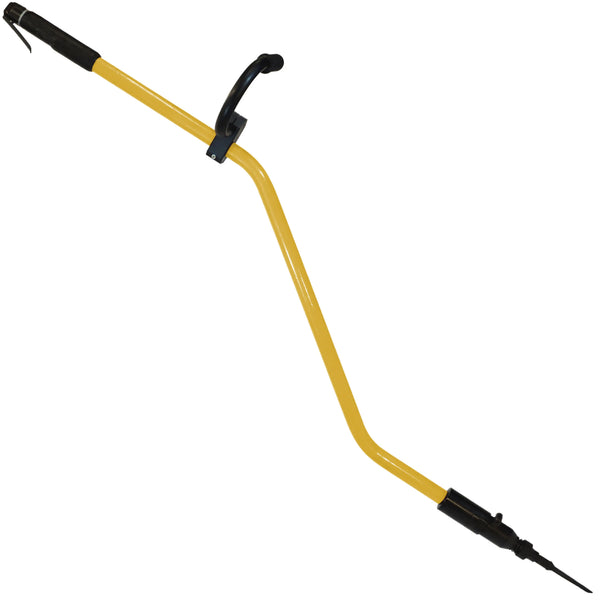 Sale TEX 117 - Scraper/Floor Tool - 2500 BPM – 4” Chisel by Atlas Copco $1,014.00
Regular price $1,352.00 -
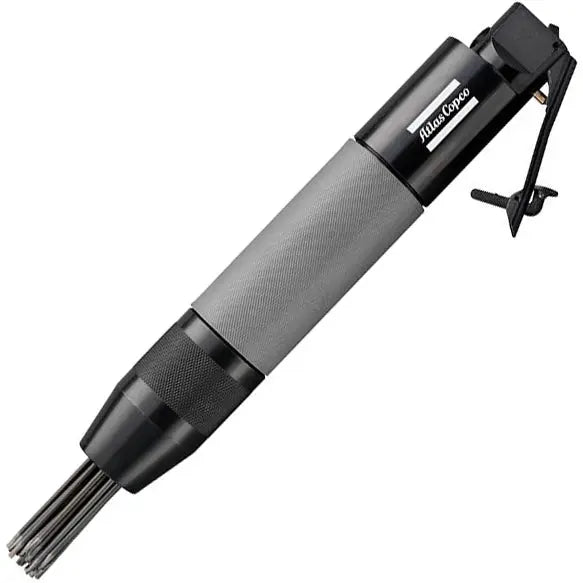 Sale TEX 01N - Needle Scaler - 40 Hz – ½” Stroke by Atlas Copco $623.00
Regular price $831.00 -
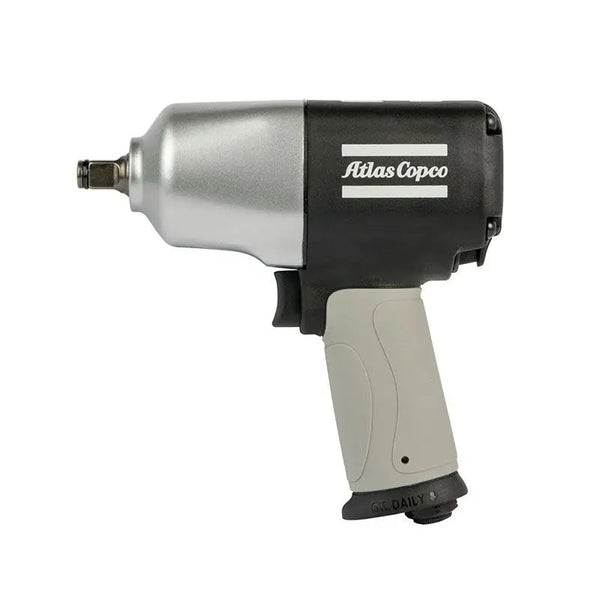 Sale TEX 290W - Impact Wrench - 3/8” sq. drive by Atlas Copco $365.00
Regular price $487.00 - Sale TEX 291W - Impact Wrench - ½” sq. drive by Atlas Copco $387.00
Regular price $516.00 - Sale TEX 292W - Impact Wrench - ¾” sq. drive by Atlas Copco $679.00
Regular price $905.00 -
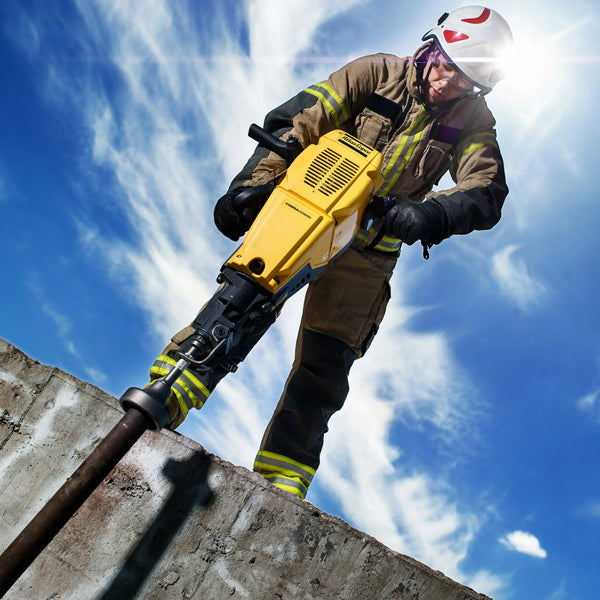 Sale Cobra Combi - Combo Drill / Breaker – 2.7 hp 185cc Engine (6 ½ ft Max Depth) by Atlas Copco $6,373.00
Regular price $8,497.00 -
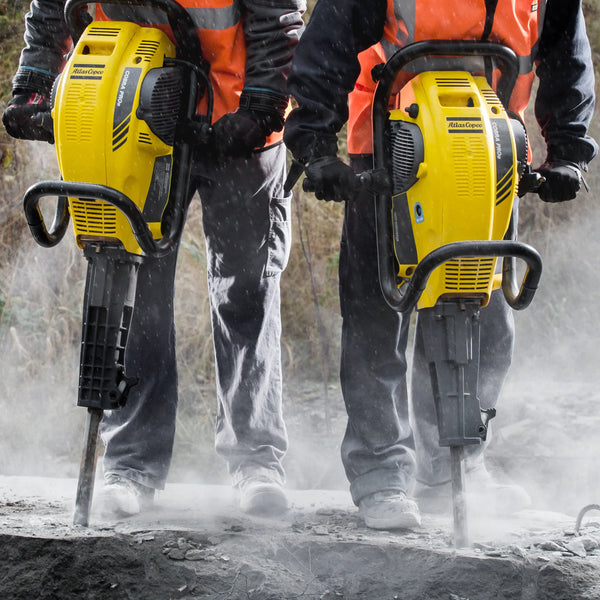 Sale Cobra PROe - 2 hp 90cc Engine - Breaker by Atlas Copco $4,925.00
Regular price $6,566.00Add to cart -
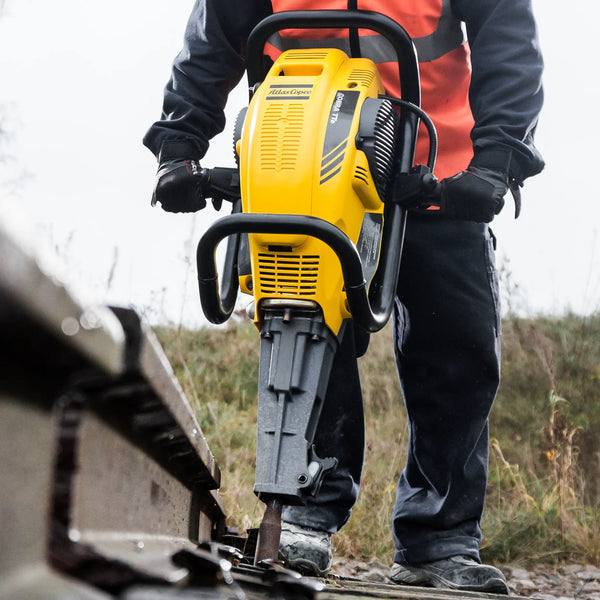 Sale Cobra TTe - Tamper – 1.5 hp 90cc Engine by Atlas Copco $4,925.00
Regular price $6,566.00Add to cart -
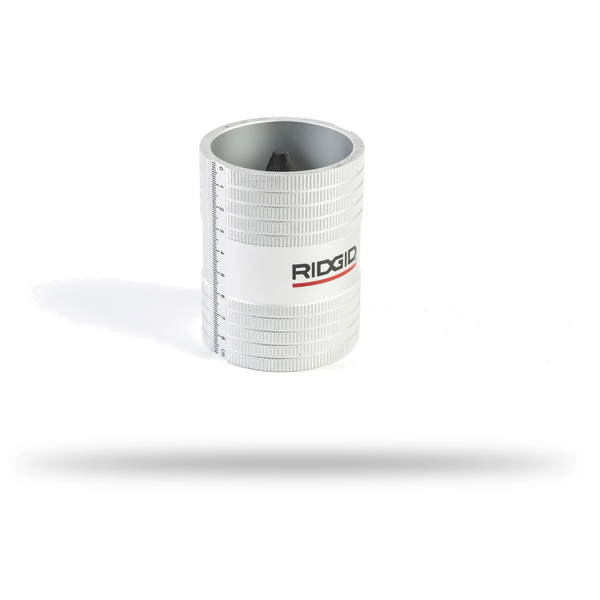 Sale Aluminum Deburrer Tool by AIRnet | 2810014100 $210.02
Regular price $269.26 -
 Sale Aluminum Tube Gymna Contactgel 0.5L by AIRnet | 2810014800 $23.40
Regular price $30.00 -
 Sale Aluminum Deburrer Pipe D50-150 by AIRnet | 2810064100 $41.84
Regular price $53.64 -
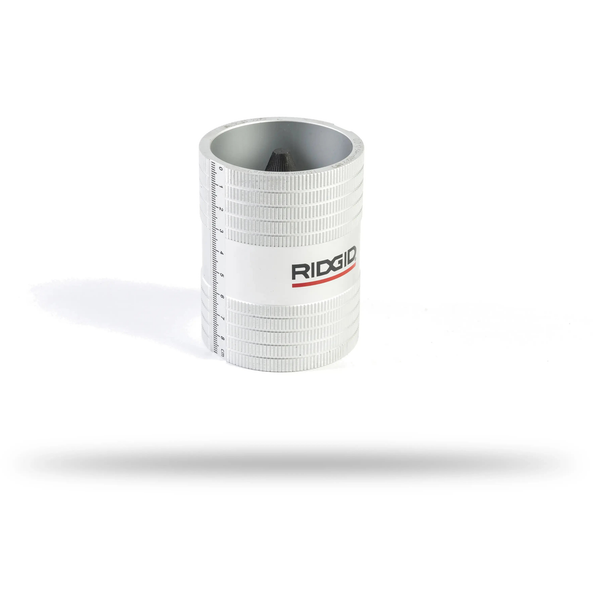 Sale Aluminum Tool Deburrer Bigger Diameters by AIRnet | 2810084100 $915.11
Regular price $1,173.22 -
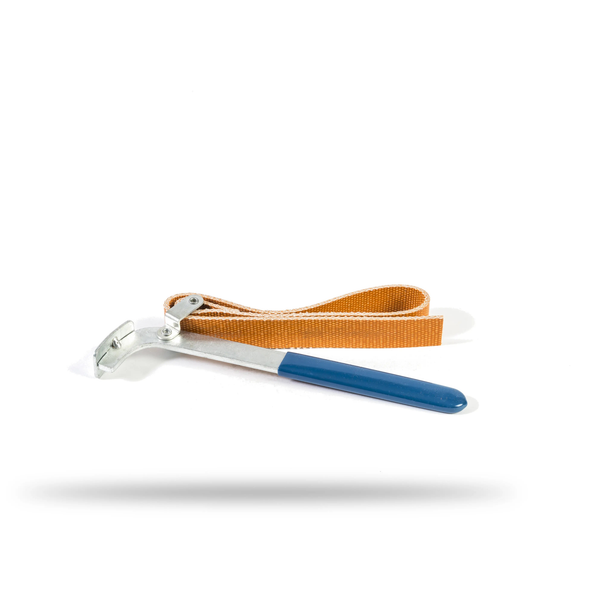 Sale Aluminum Belt Spanner D40-80 by AIRnet | 2810802800 $20.46
Regular price $26.23 -
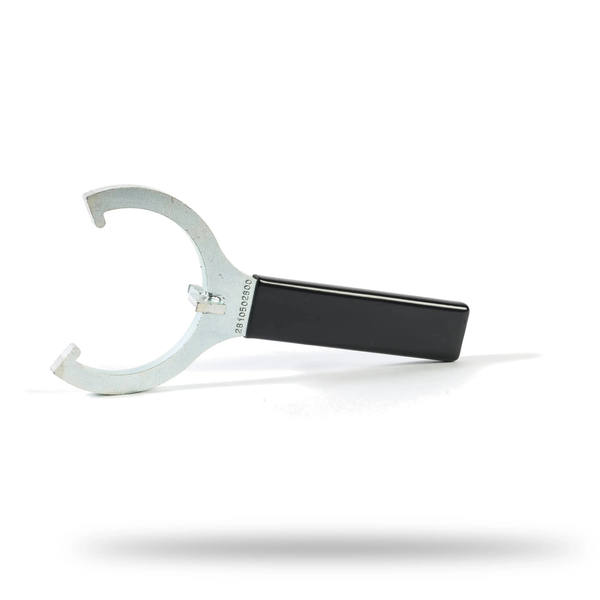 Sale Aluminum Wrench 8439004103 + Head Cal. by AIRnet | 2811002880 $397.72
Regular price $509.90 -
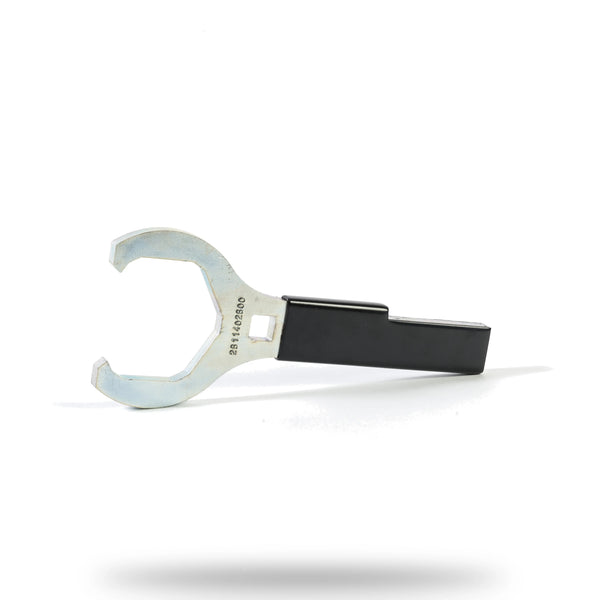 Sale Aluminum Box Tool Pf Series by AIRnet | 2811004500 $911.85
Regular price $1,169.04 -
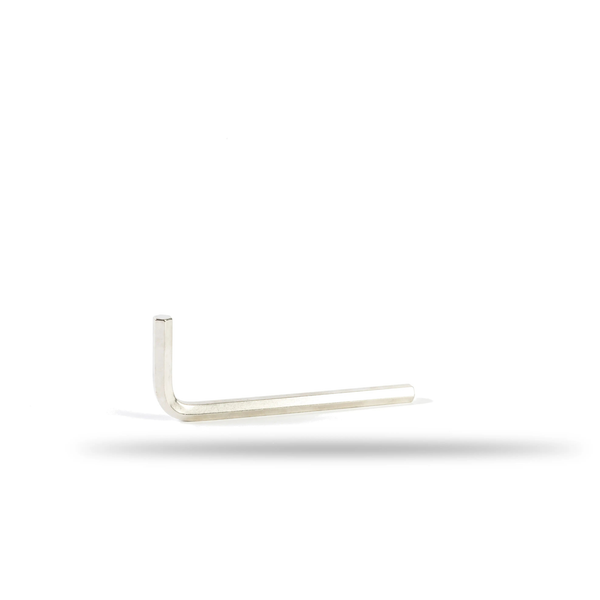 Sale Aluminum Tool Spanner L Key 5mm by AIRnet | 2811014900 $1.64
Regular price $2.10 - Sale Aluminum Marker Pipe by AIRnet | 2811022990 $6.49
Regular price $8.32 -
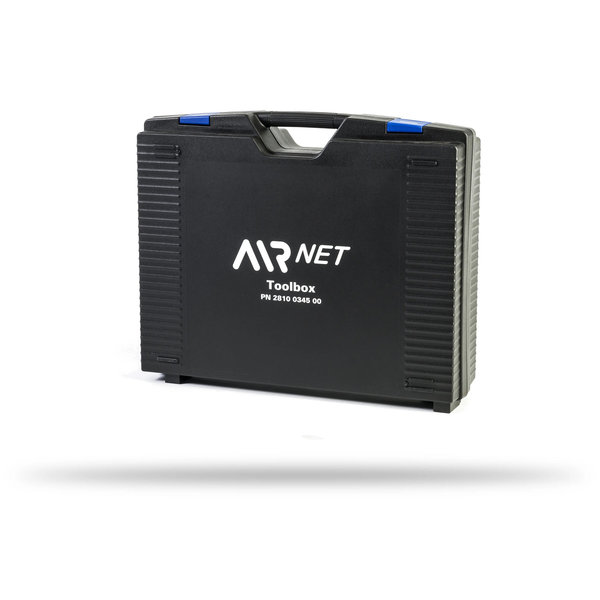 Sale Aluminum Box Tool Bigger Diameters by AIRnet | 2811024500 $1,363.34
Regular price $1,747.87 -
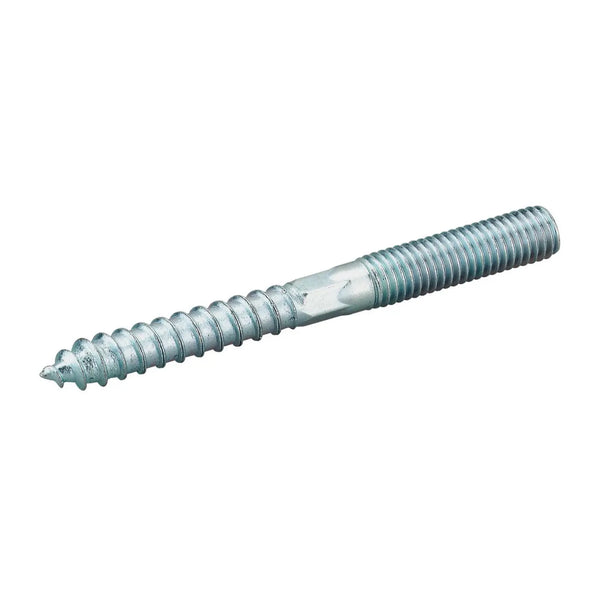 Sale Polyamide Hanger Bolt for Pipe Clamps by AIRnet | 2813002200 $0.76
Regular price $0.98 -
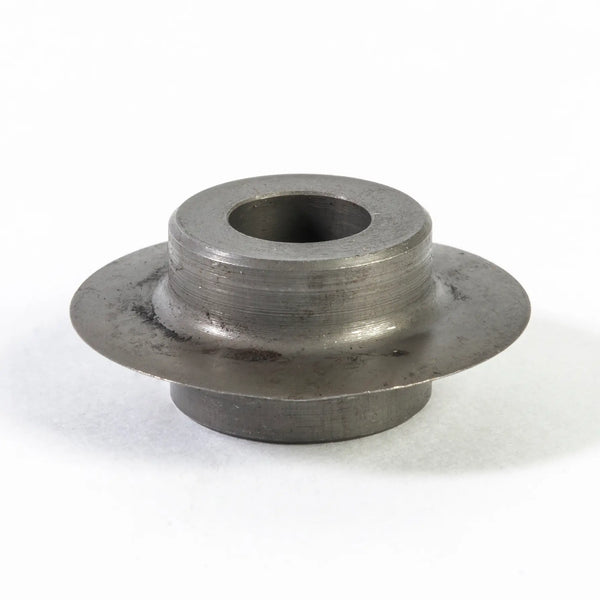 Sale Polyamide Shear by AIRnet | 2813004000 $71.31
Regular price $91.42 -
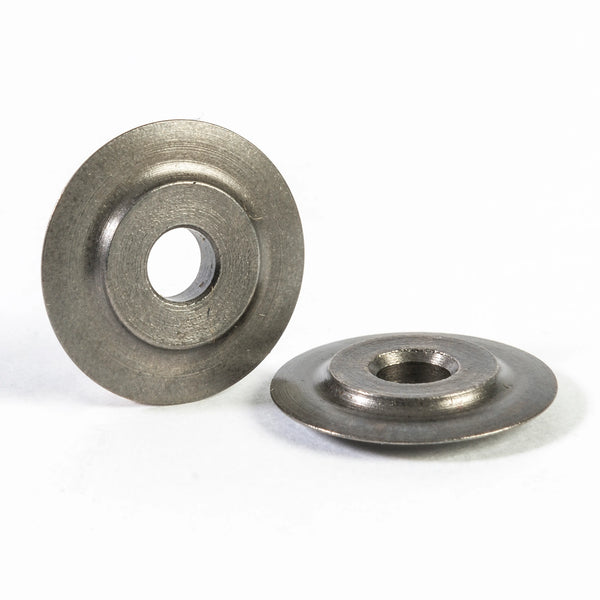 Sale Polyamide 2 Spare Blades Shear by AIRnet | 2813014000 $46.36
Regular price $59.44 -
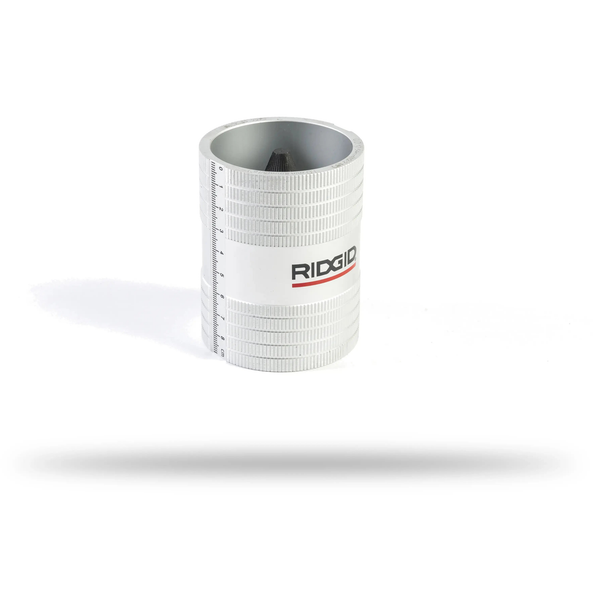 Sale Polyamide Marking and Deburring Tool by AIRnet | 2813024000 $203.95
Regular price $261.47 -
 Sale Polyamide Deburring Blade by AIRnet | 2813064000 $26.79
Regular price $34.35 -
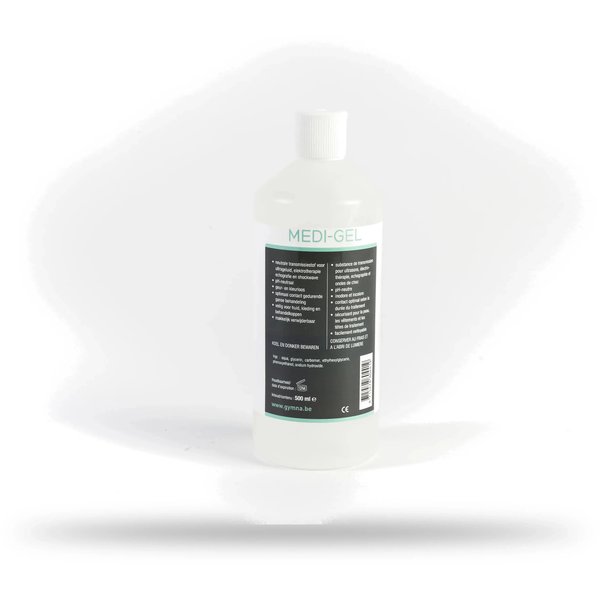 Sale Polyamide Anti-Friction Agent by AIRnet | 2813074000 $39.63
Regular price $50.81


An air tool's CFM rating is an average, not a ceiling. A 1/2 inch impact wrench listed at 4 CFM pulls 15 to 20 CFM while the trigger is down, and a 6 inch random orbital sander wants 12 to 18 CFM continuously. That is why a sander empties a 60 gallon shop compressor in ten minutes and an impact gun never does.
Size the compressor to the hungriest tool you run continuously, add 25 percent, and feed it with 3/8 inch hose at minimum. Fifty feet of 1/4 inch hose costs 10 to 15 PSI at the tool, which shows up as a grinder that bogs down and an impact that will not break a lug nut.
What is in here
Impact wrenches from 3/8 inch to 2 1/2 inch drive, ratchets from 1/4 to 1/2 inch, pencil, die and angle grinders from 2 to 9 inch, drills from 1/4 to 2 inch in straight, angle and pistol grip, saws, nibblers and shears, chipping hammers, needle and weld scalers, random orbital, rotary, pistol and belt sanders, rivet squeezers, production screwdrivers and controlled torque wrenches, mostly from Chicago Pneumatic.
Where air stops being the right answer
For a dozen fasteners a week, a cordless impact wins and it is not close. Air earns its keep on continuous duty, in flammable or wet areas where a spark is a problem, and on tools that get dropped. The cost of entry is the system behind it: a compressor, hose, quick couplers, an inline lubricator, and air clean enough not to rust the motor, which means an aftercooler and a dryer downstream of the air compressor. Skip the dryer and you will buy the tool twice.


